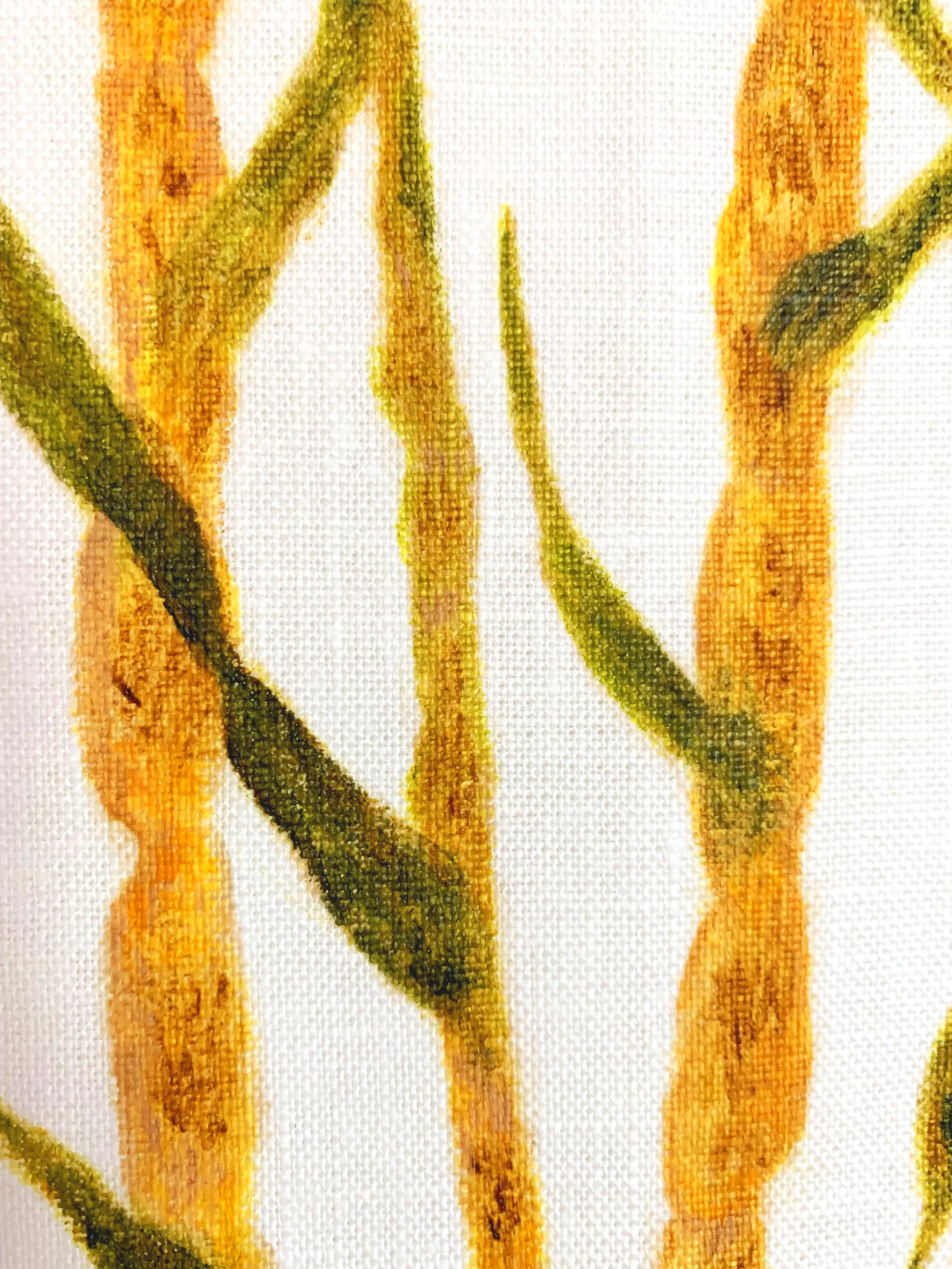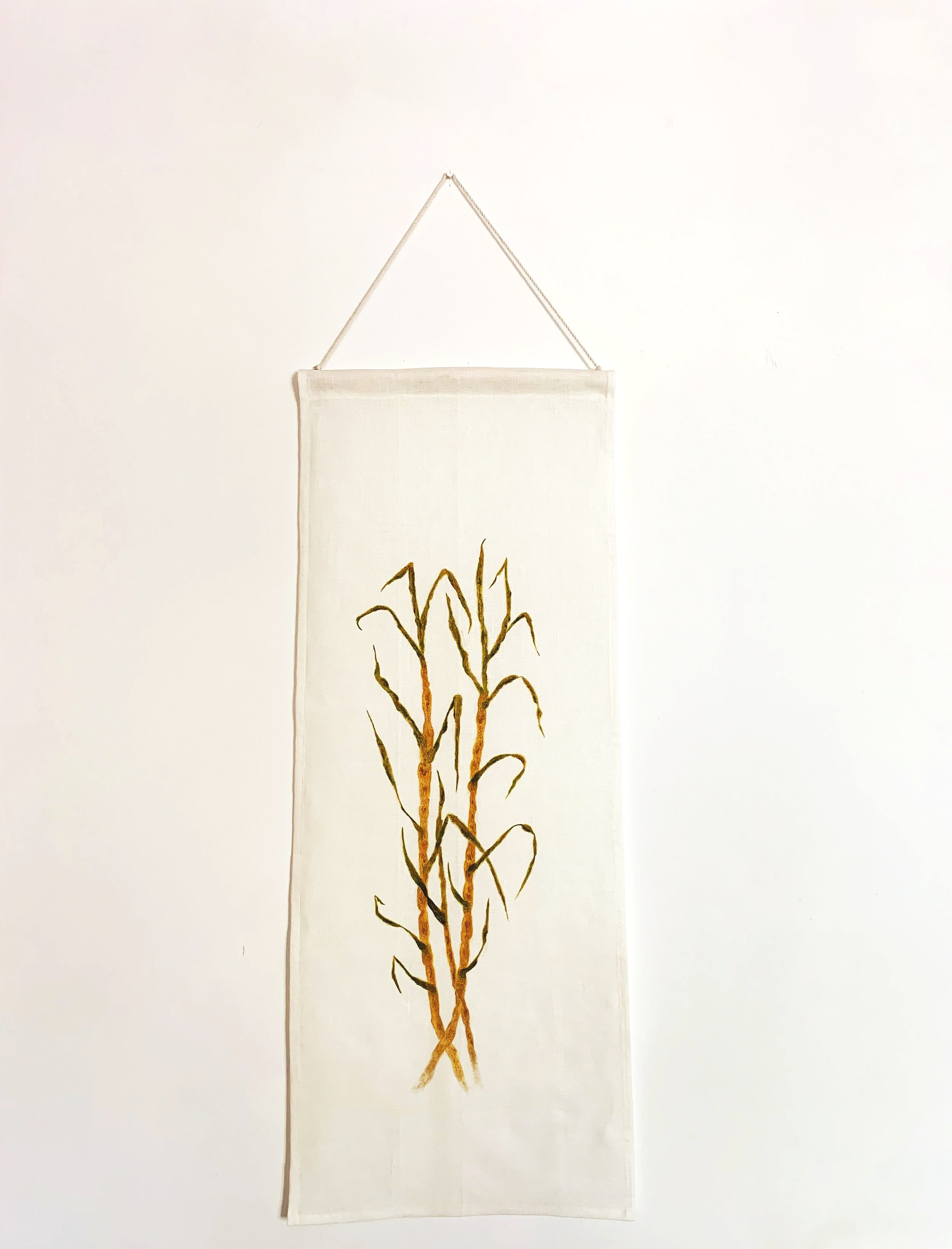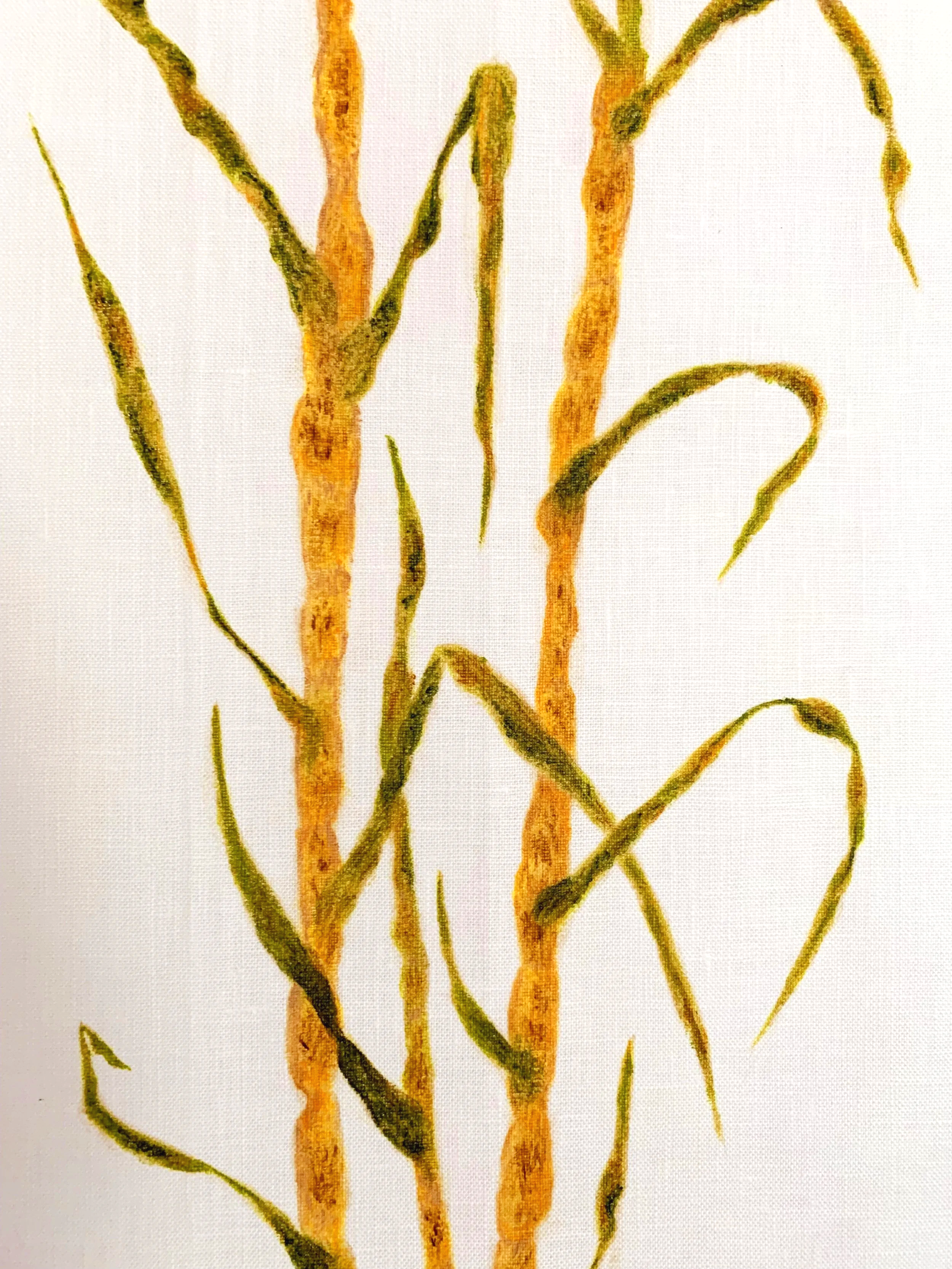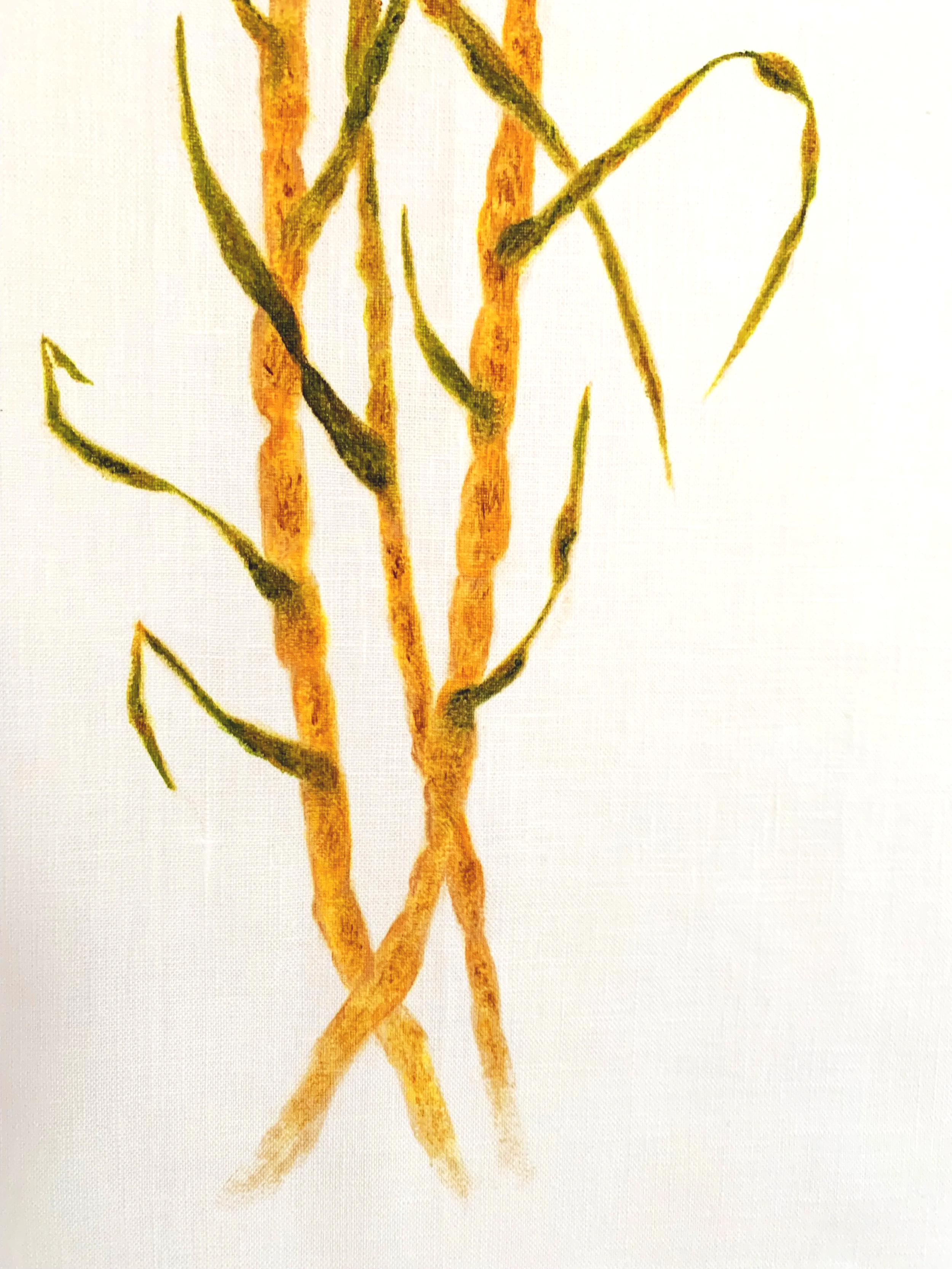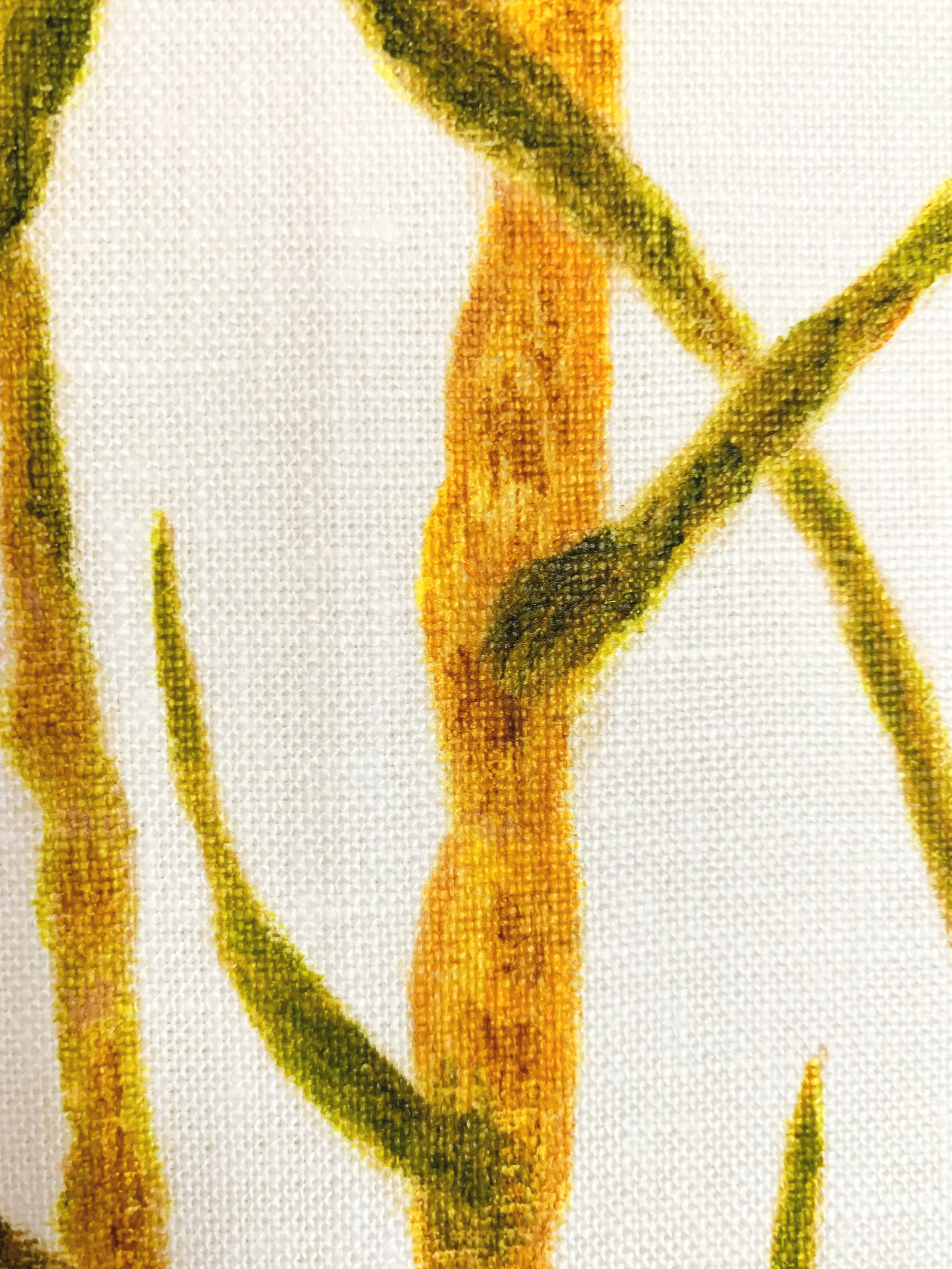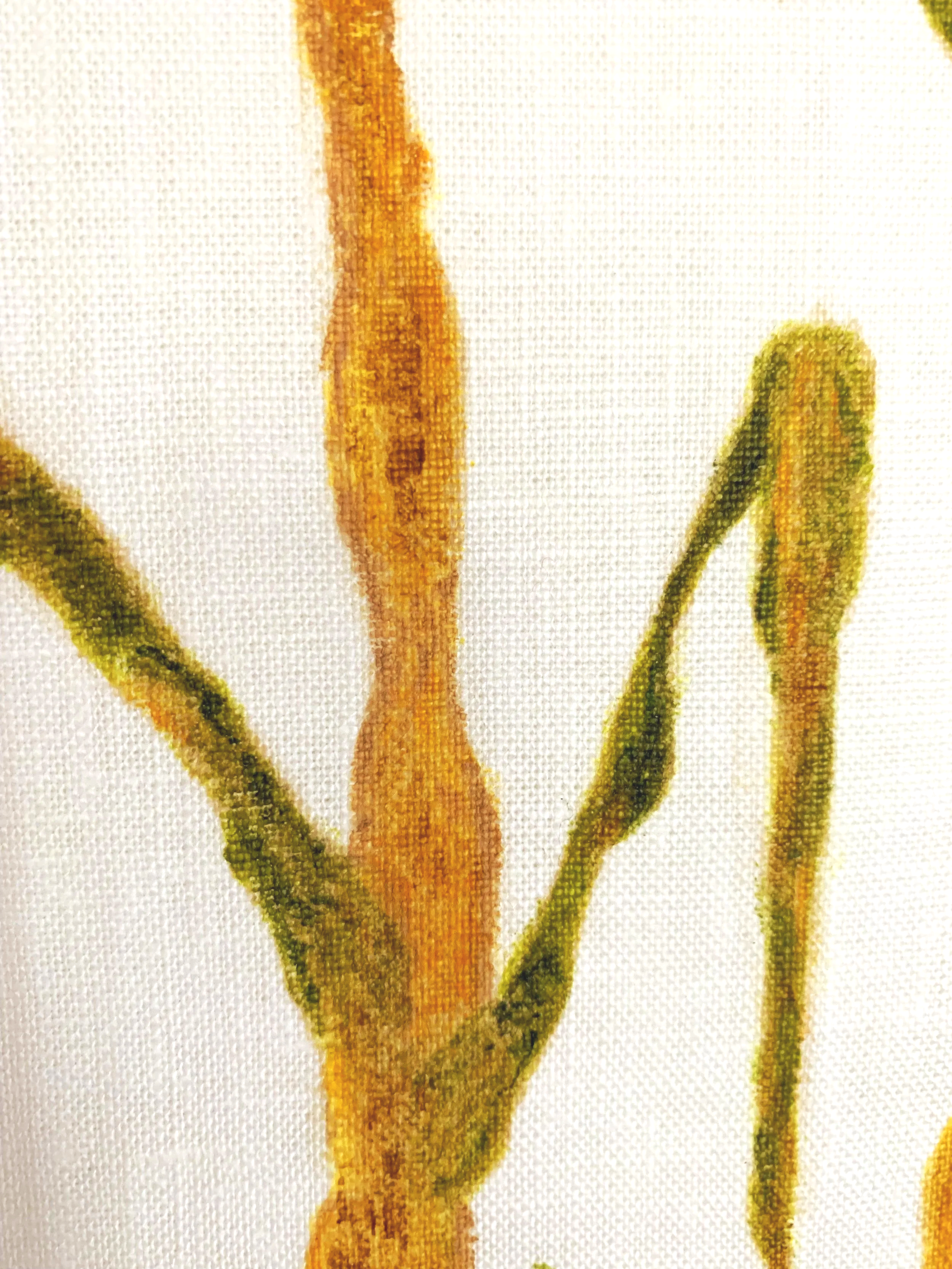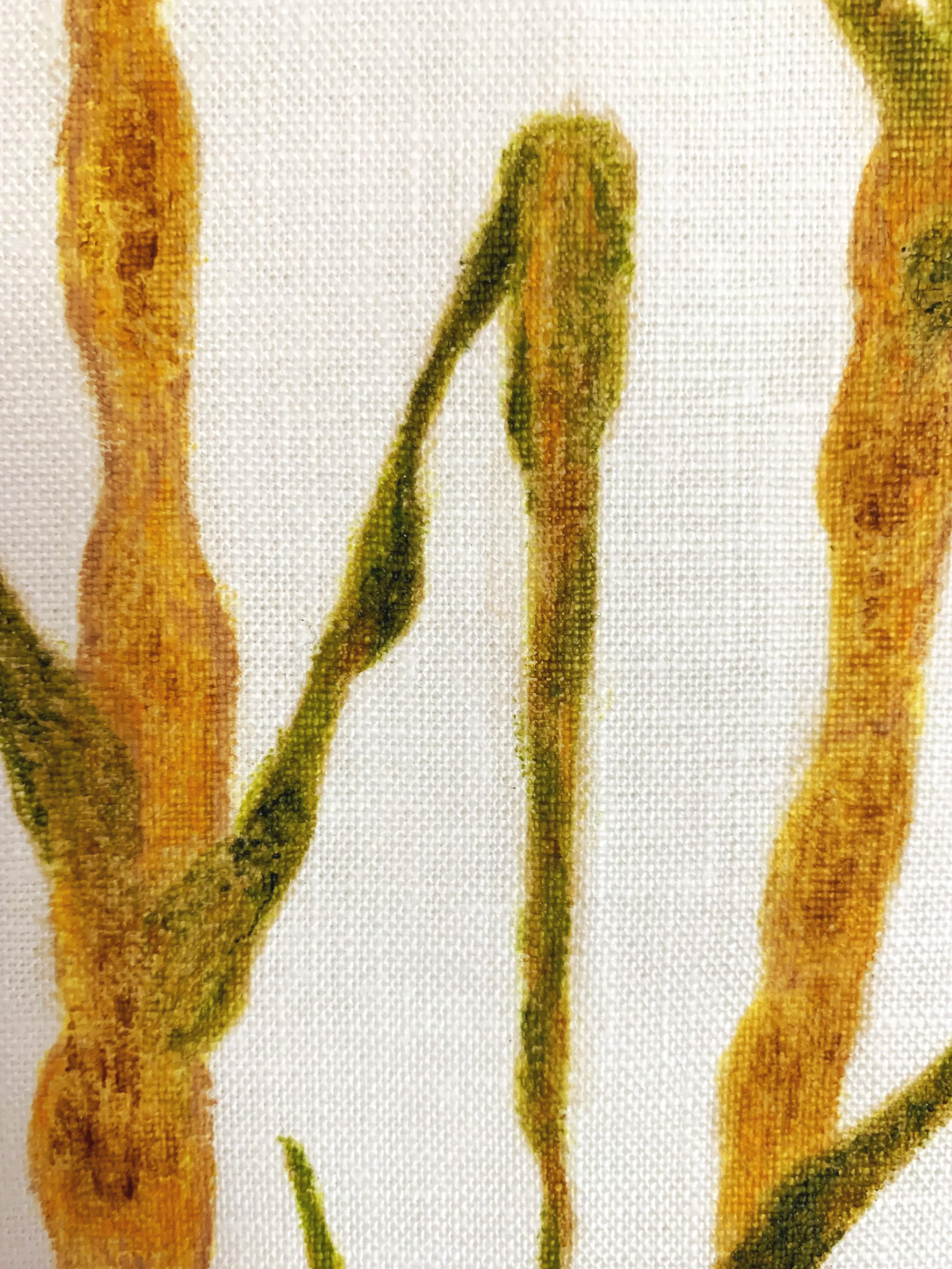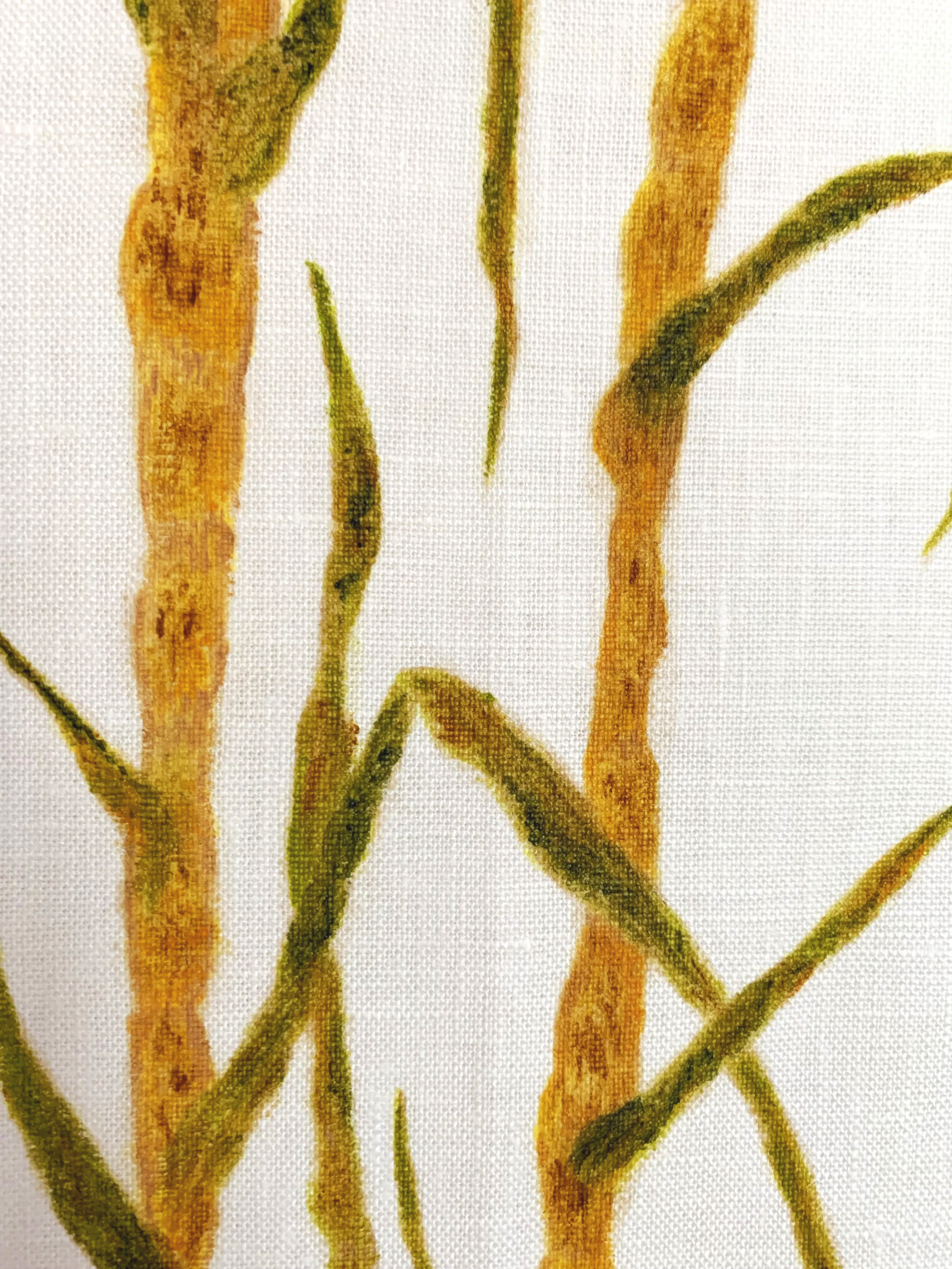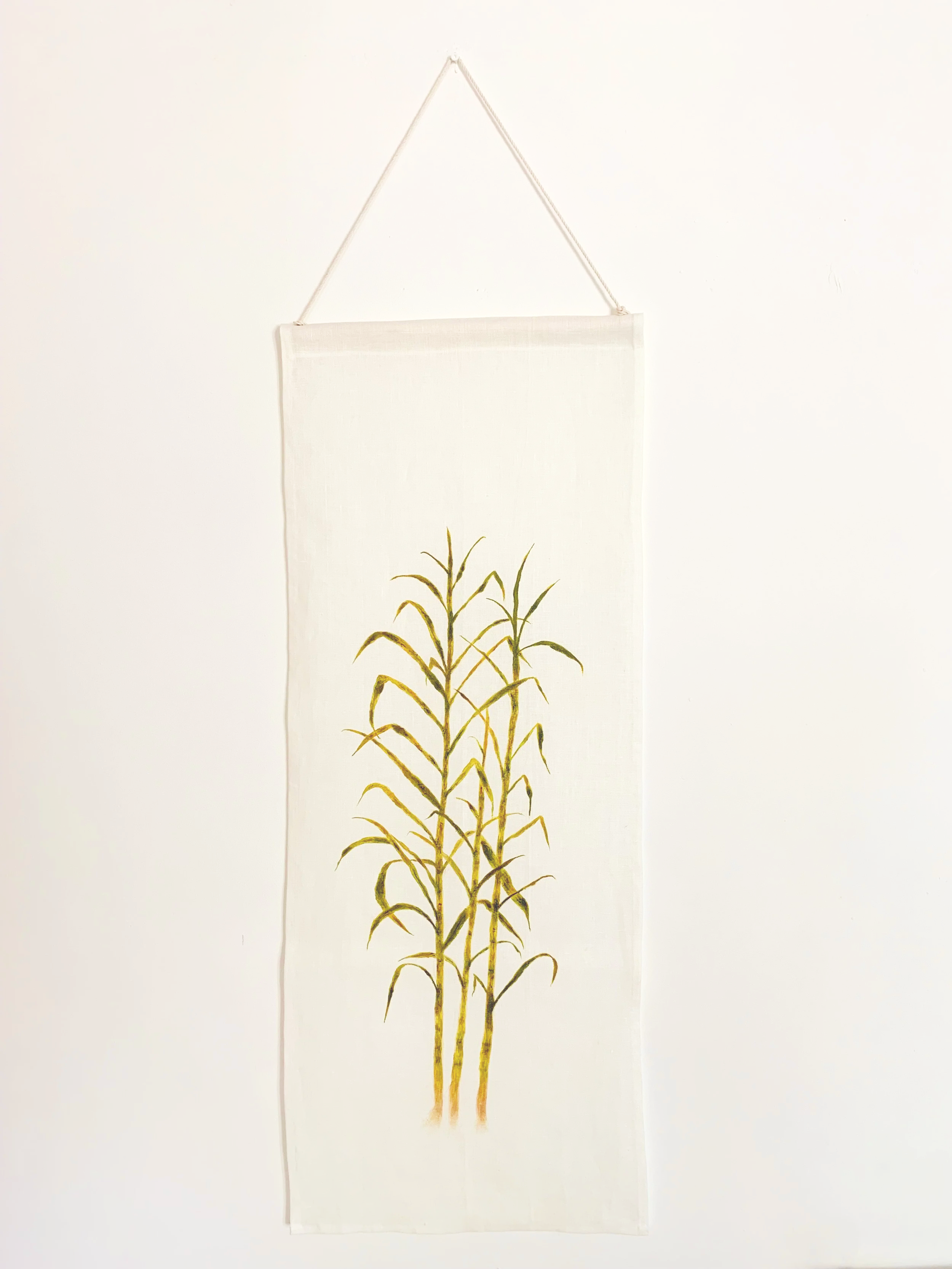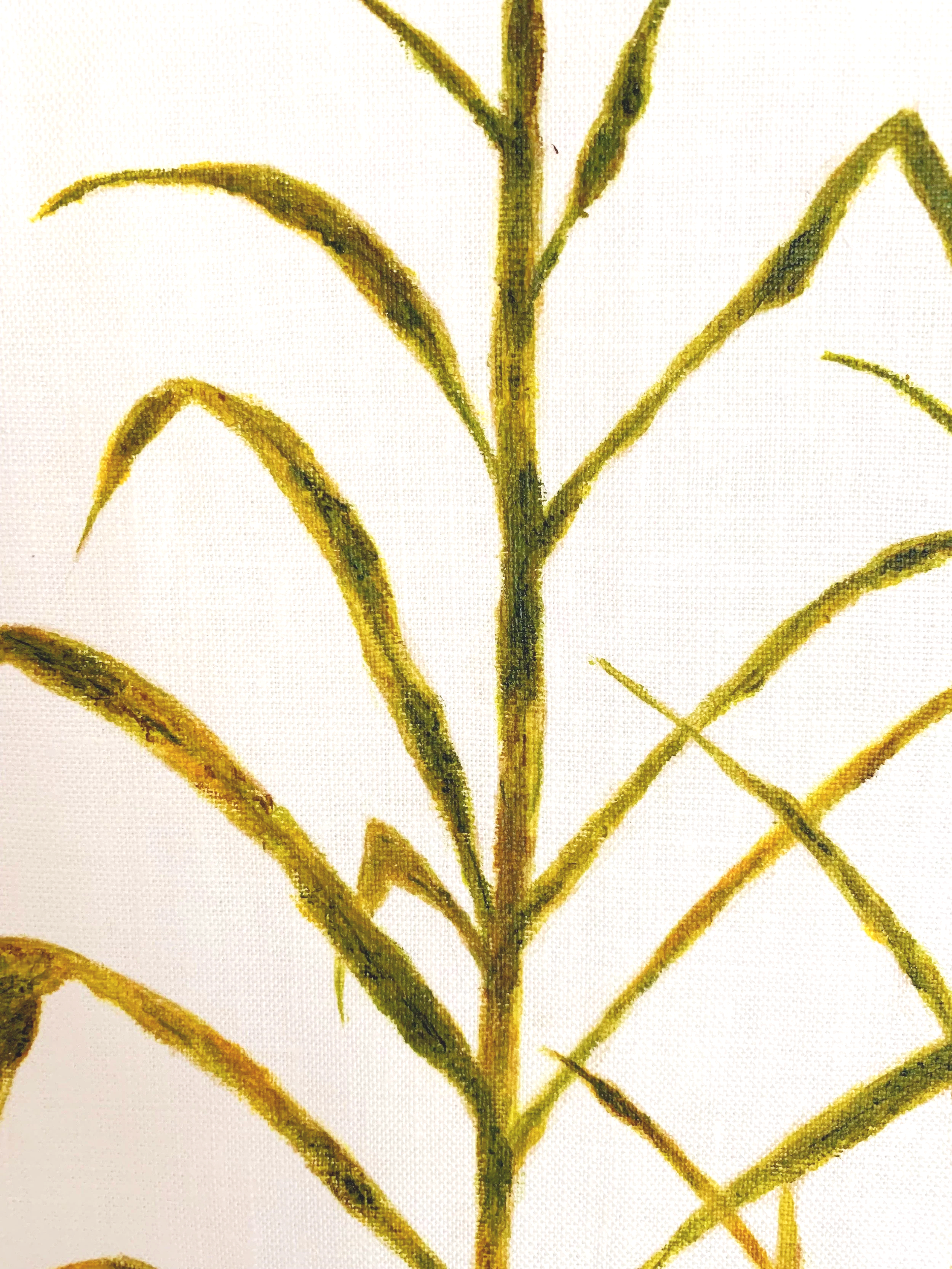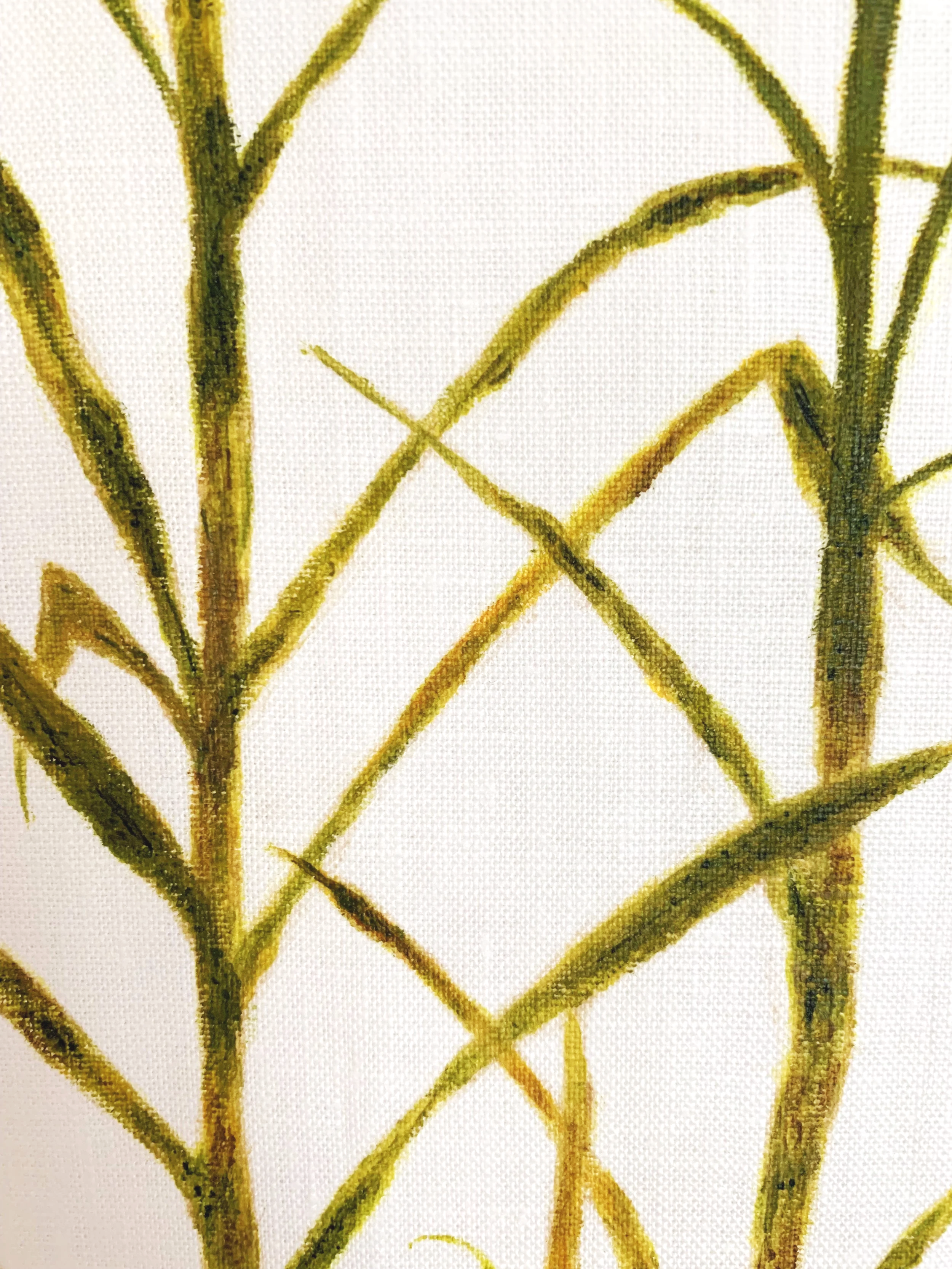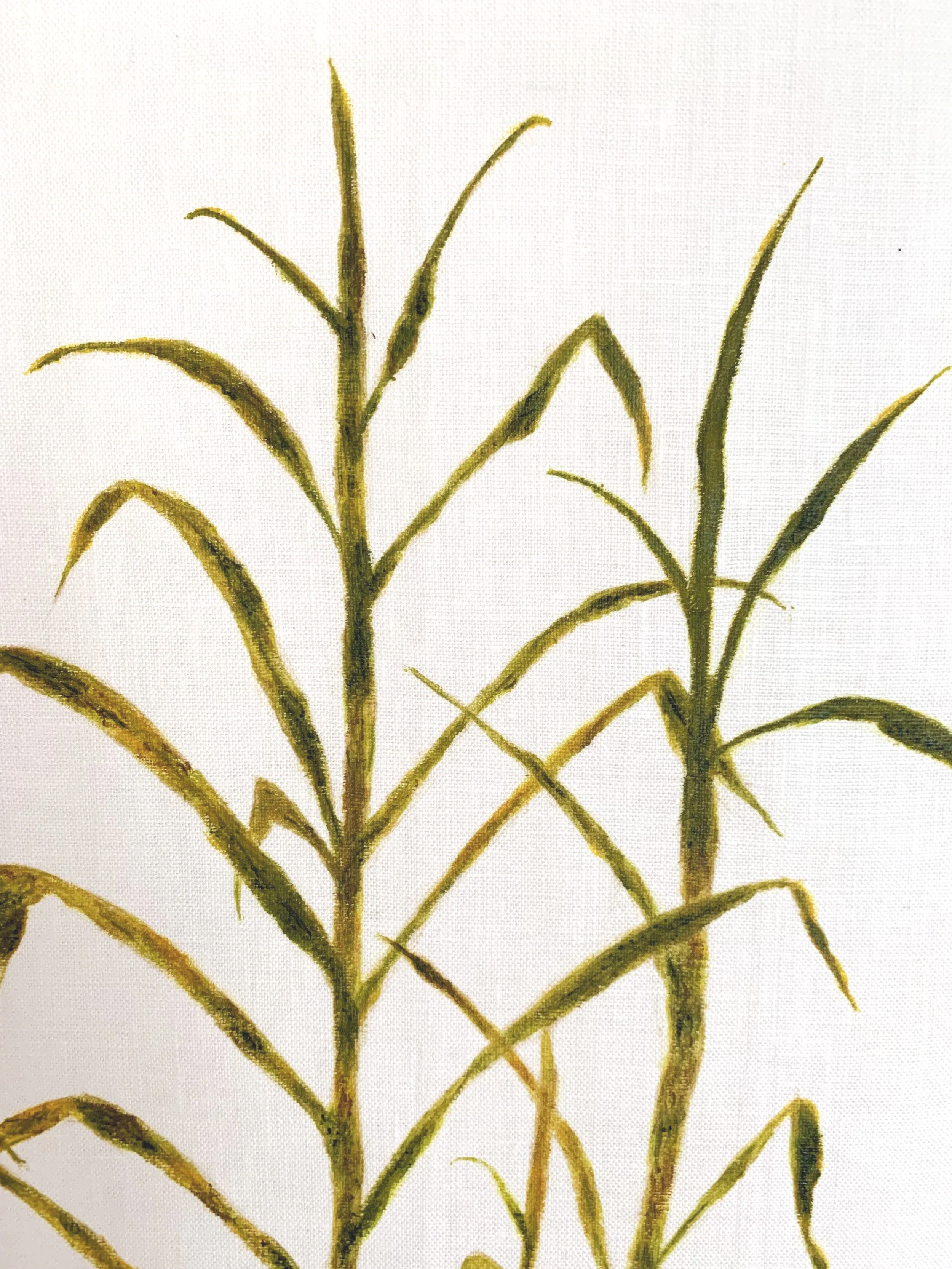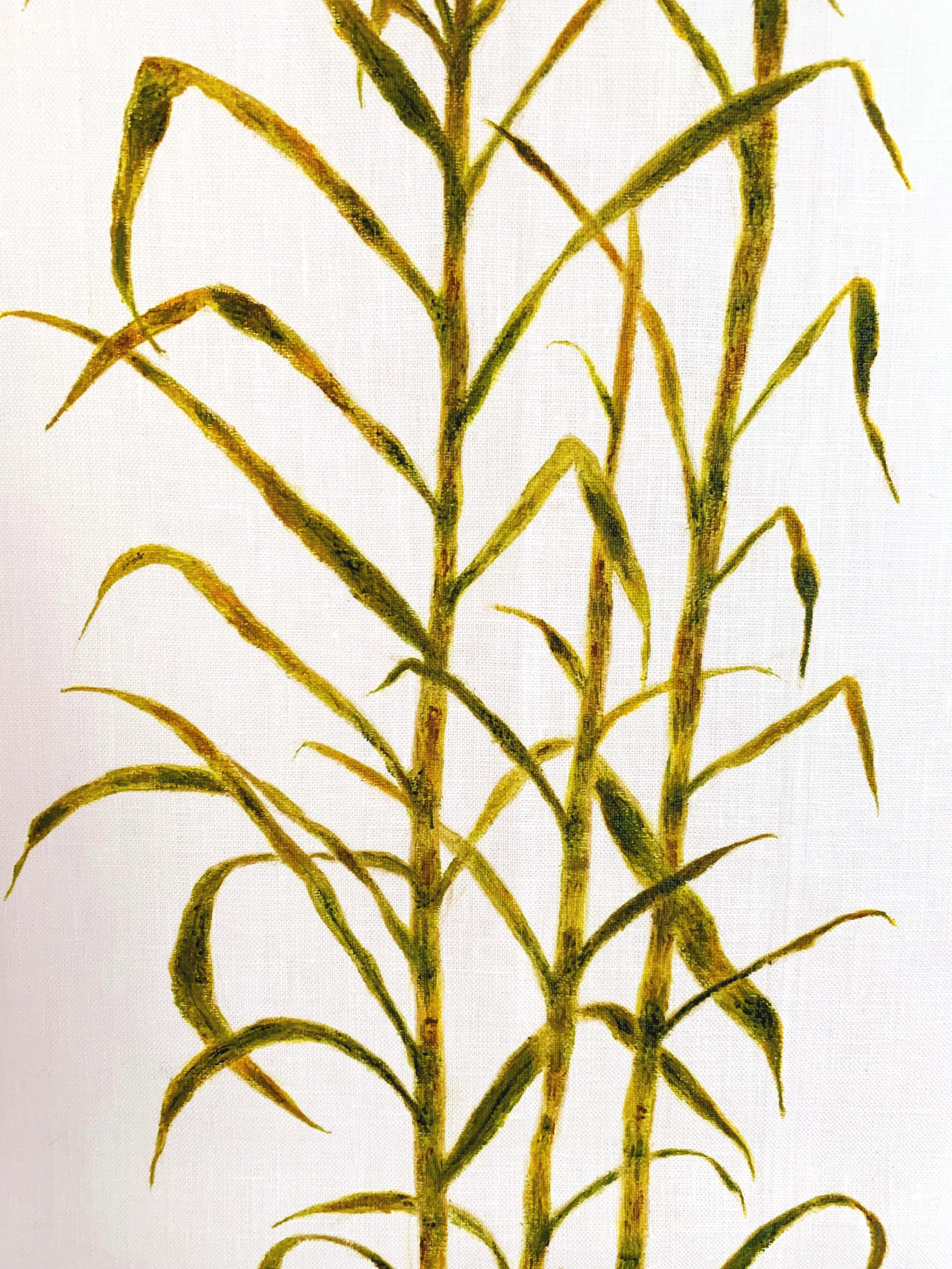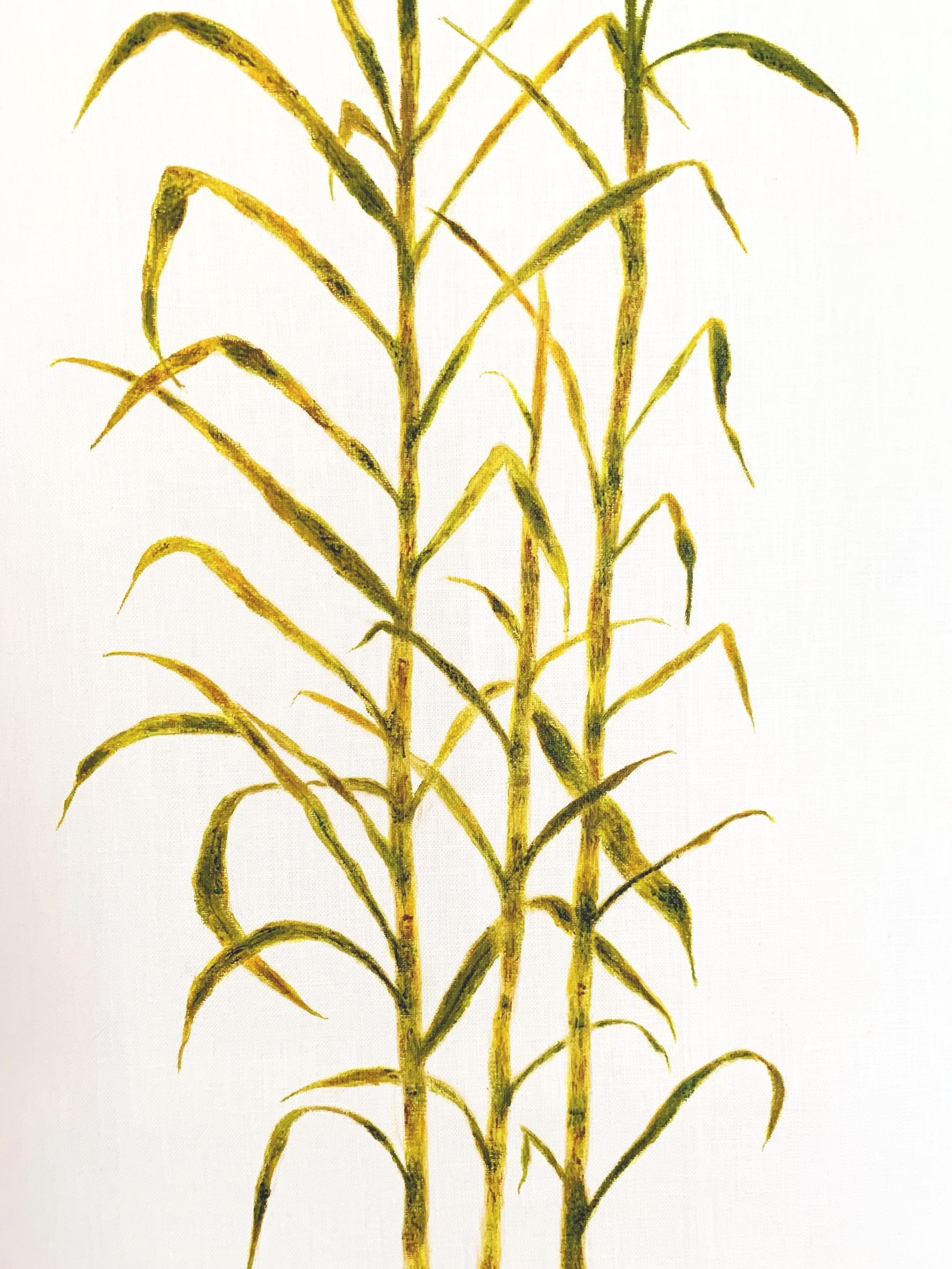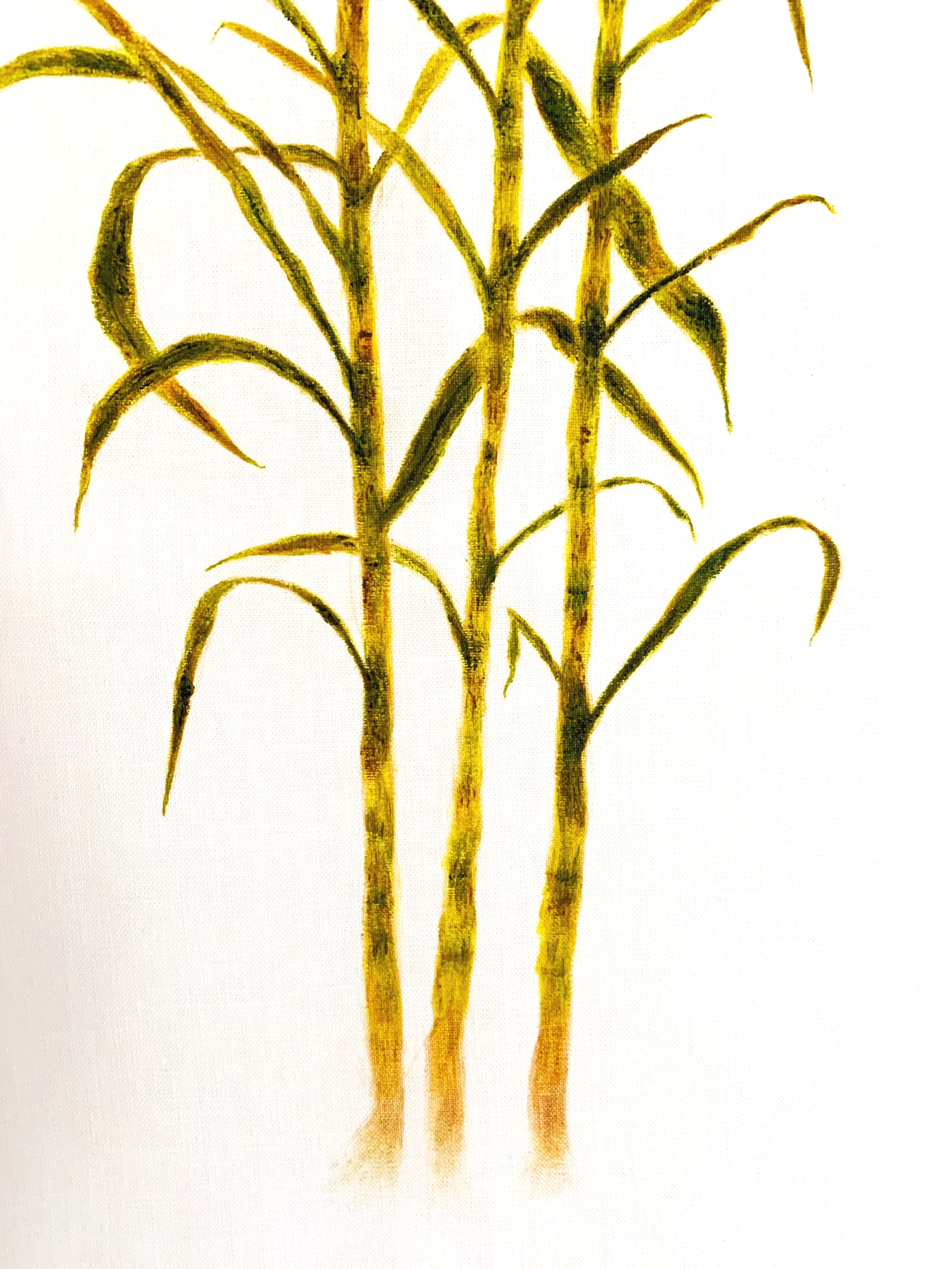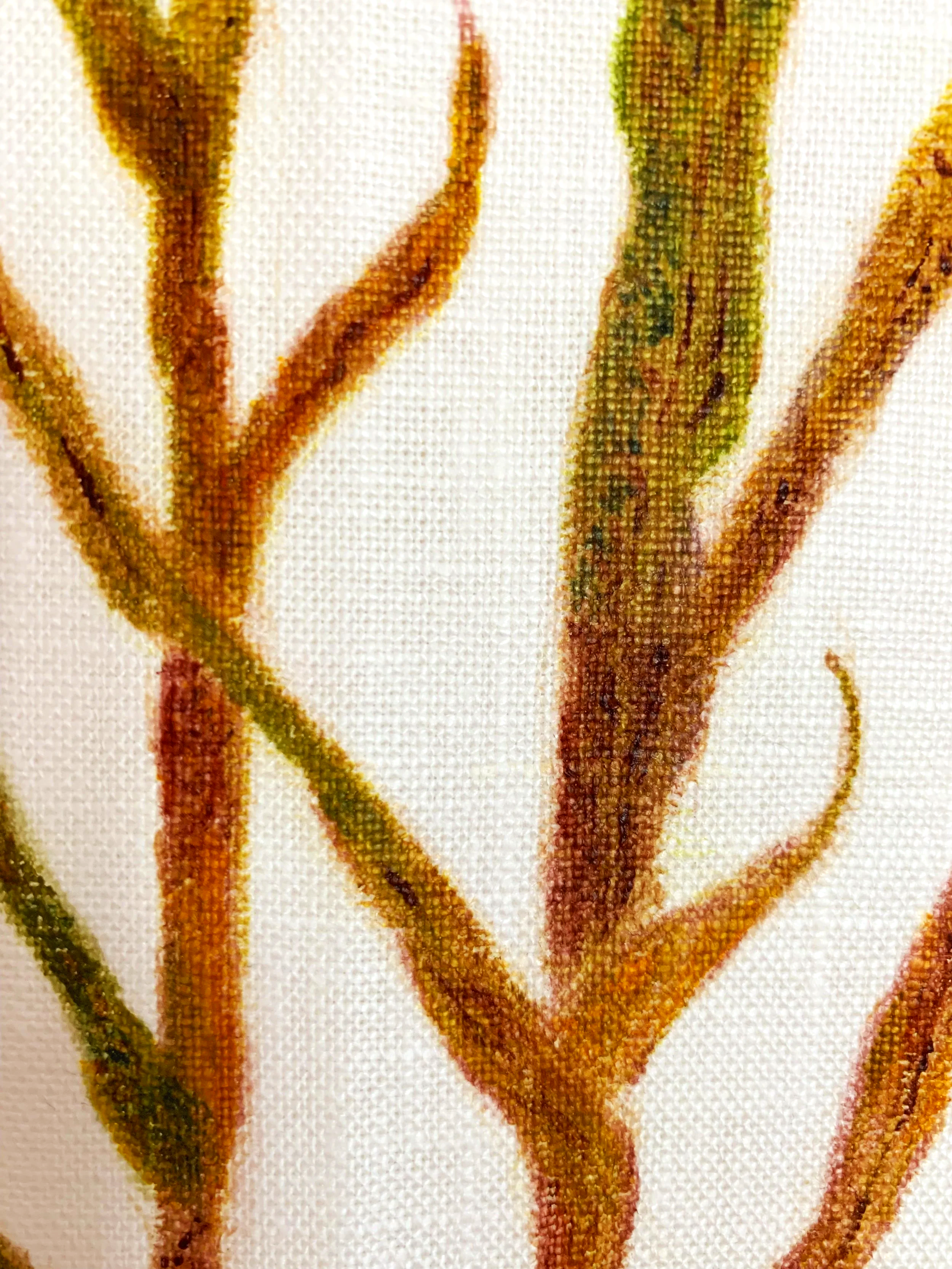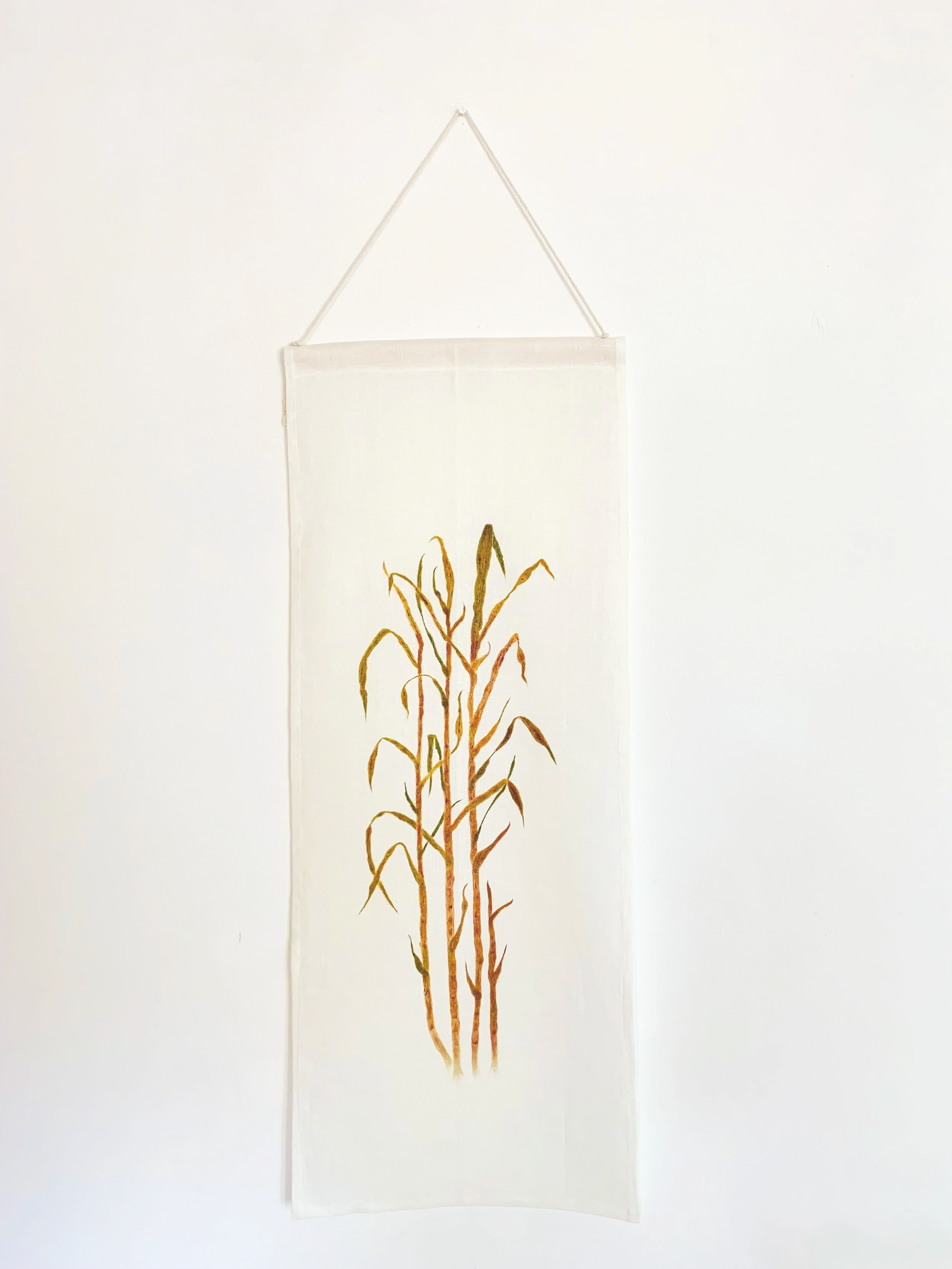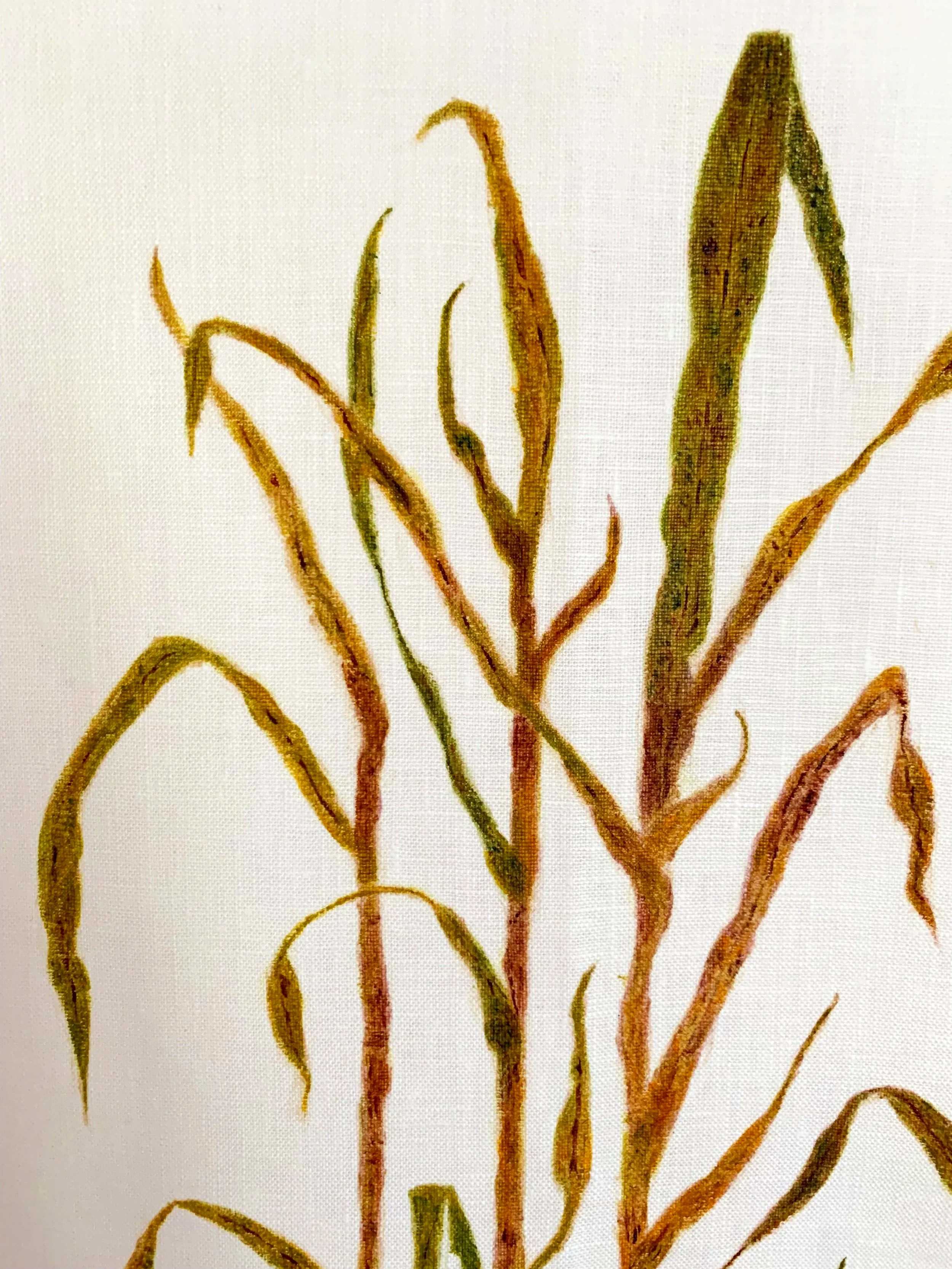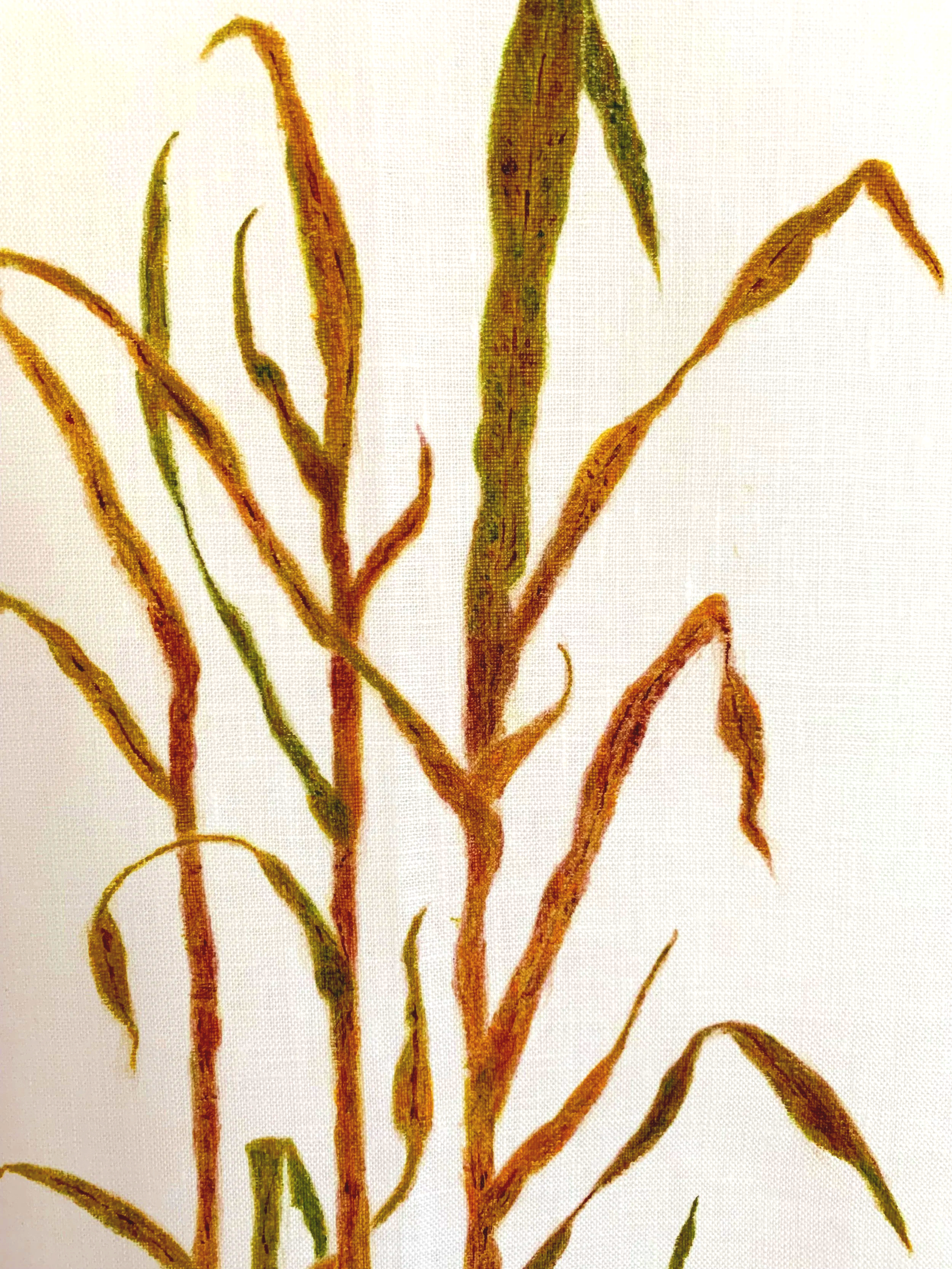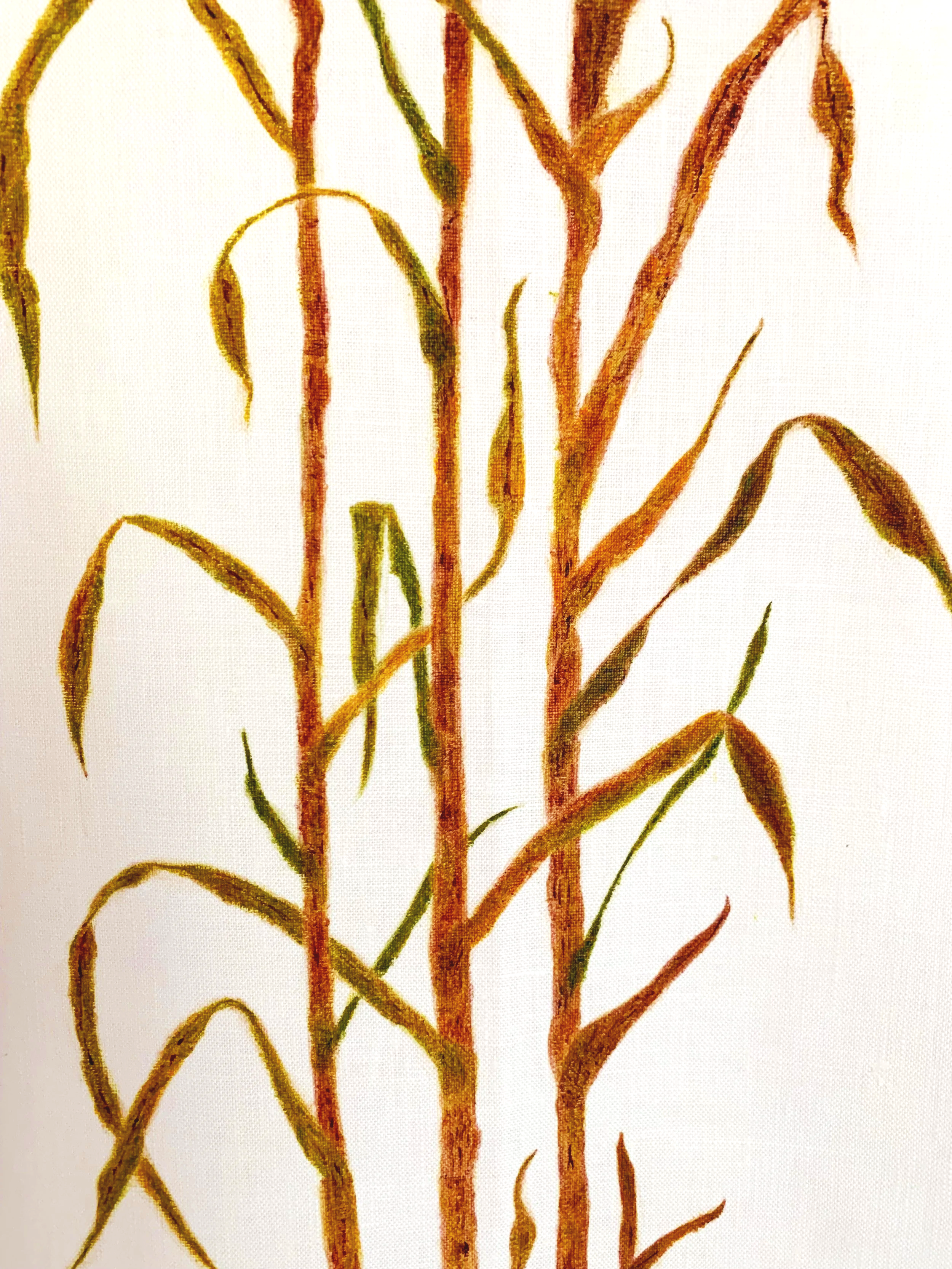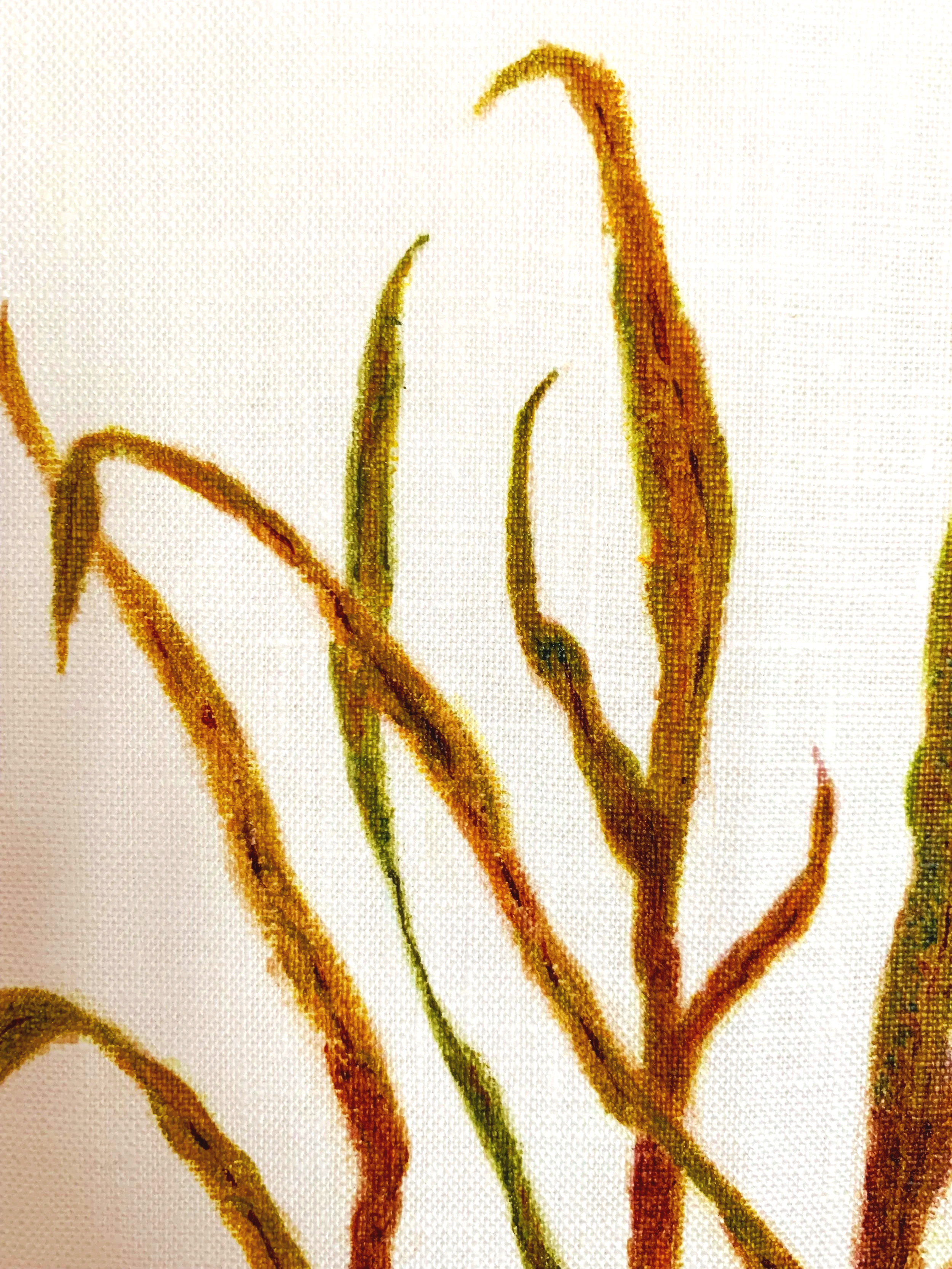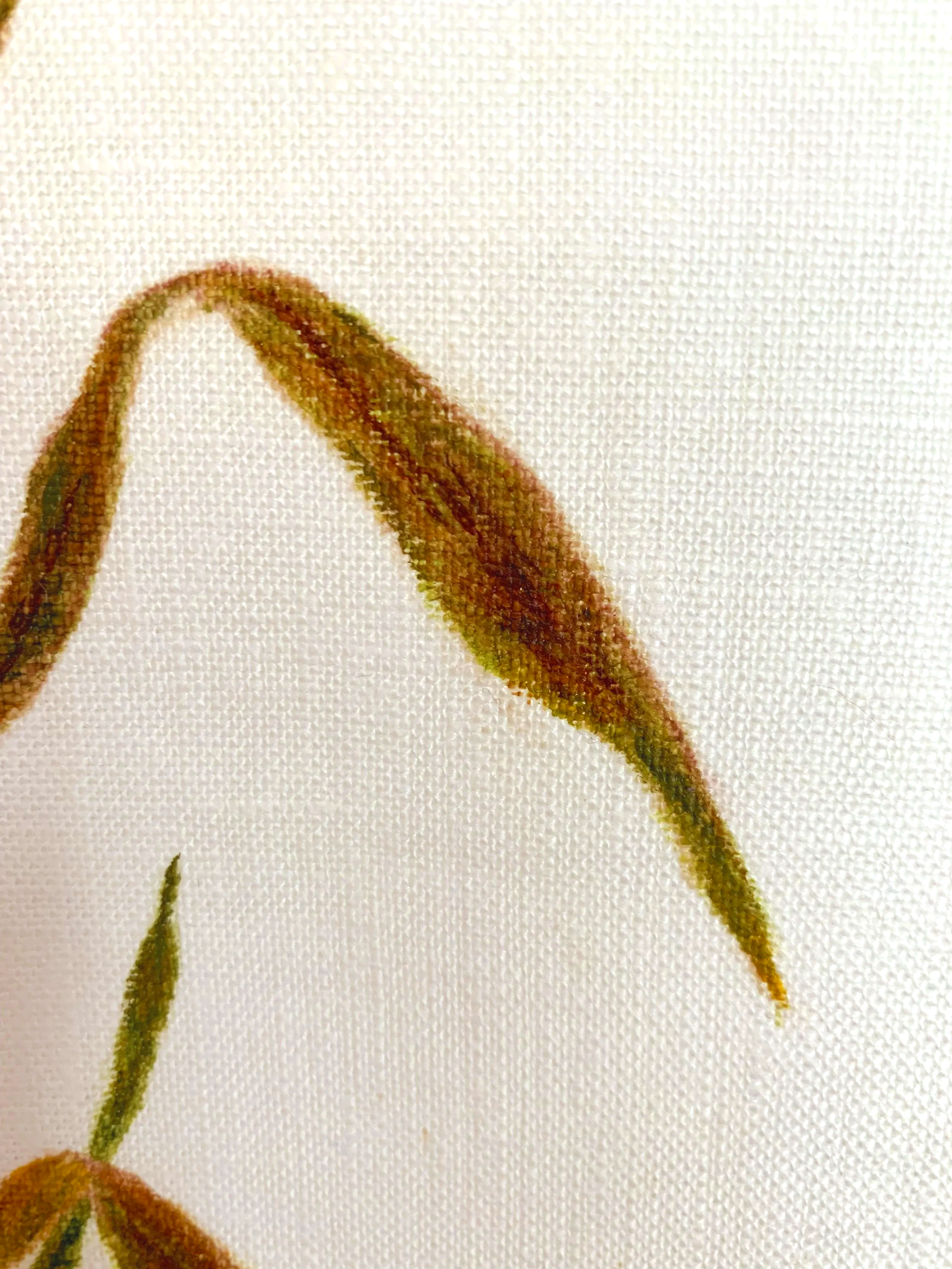
Botanica Brasilis is the first long-term painting series within the practice.
The series returns to cultivated plants remembered from rural northeastern Brazil, where cultivation first became the lived experience through which the research emerged. These are not treated as botanical specimens or symbols. They are the particular plants through which painting begins its enquiry into cultivation.
Working from memory allows the image to change from one painting to the next. No return reproduces the plant exactly as before. The differences between paintings become visible only through the series itself.
Each new painting begins from those already made. Earlier paintings remain active, shaping the conditions from which the next begins. The series therefore develops as a continuous body of work. Individual paintings are complete works, yet each forms part of a longer process that unfolds over years.
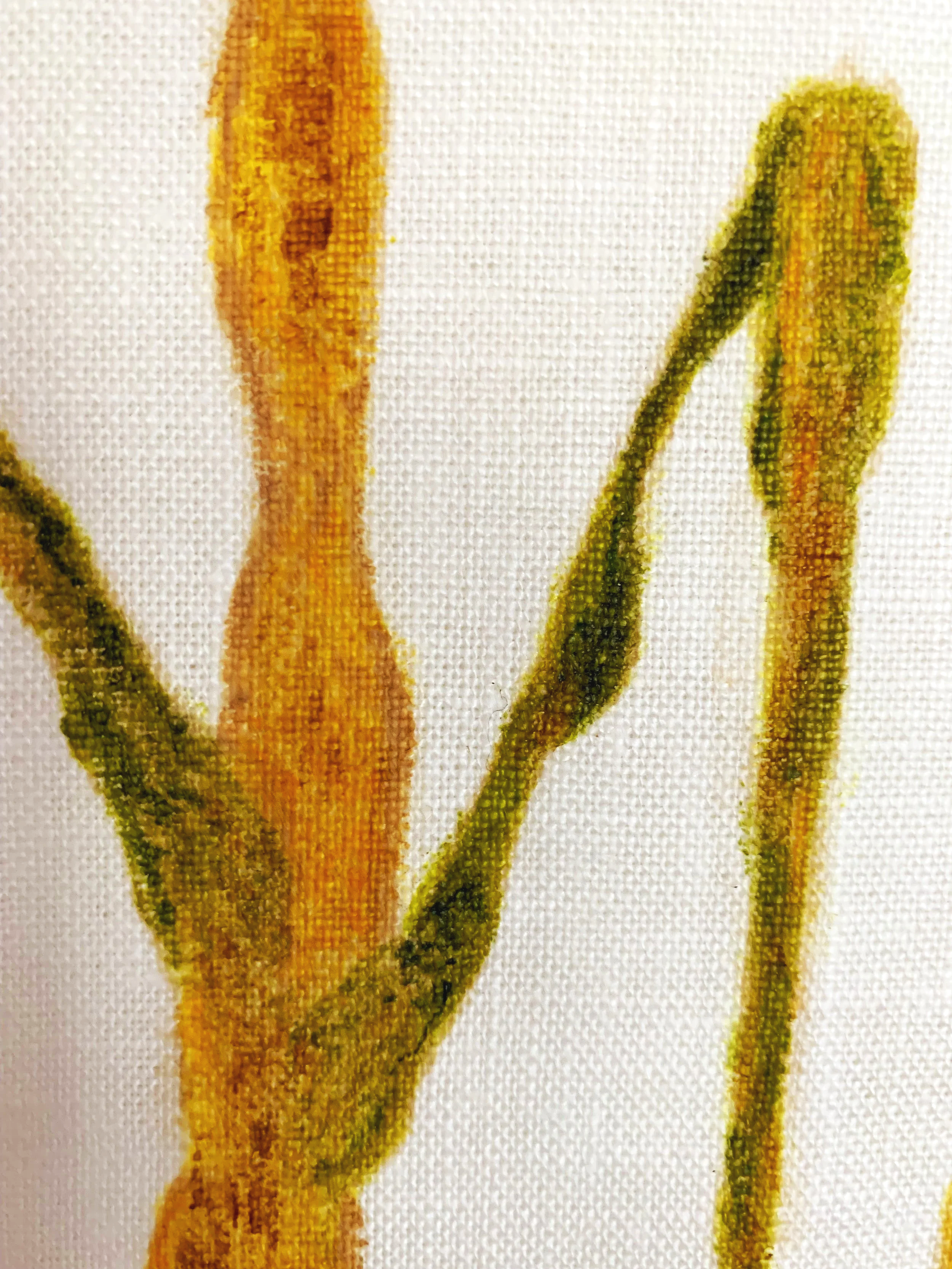
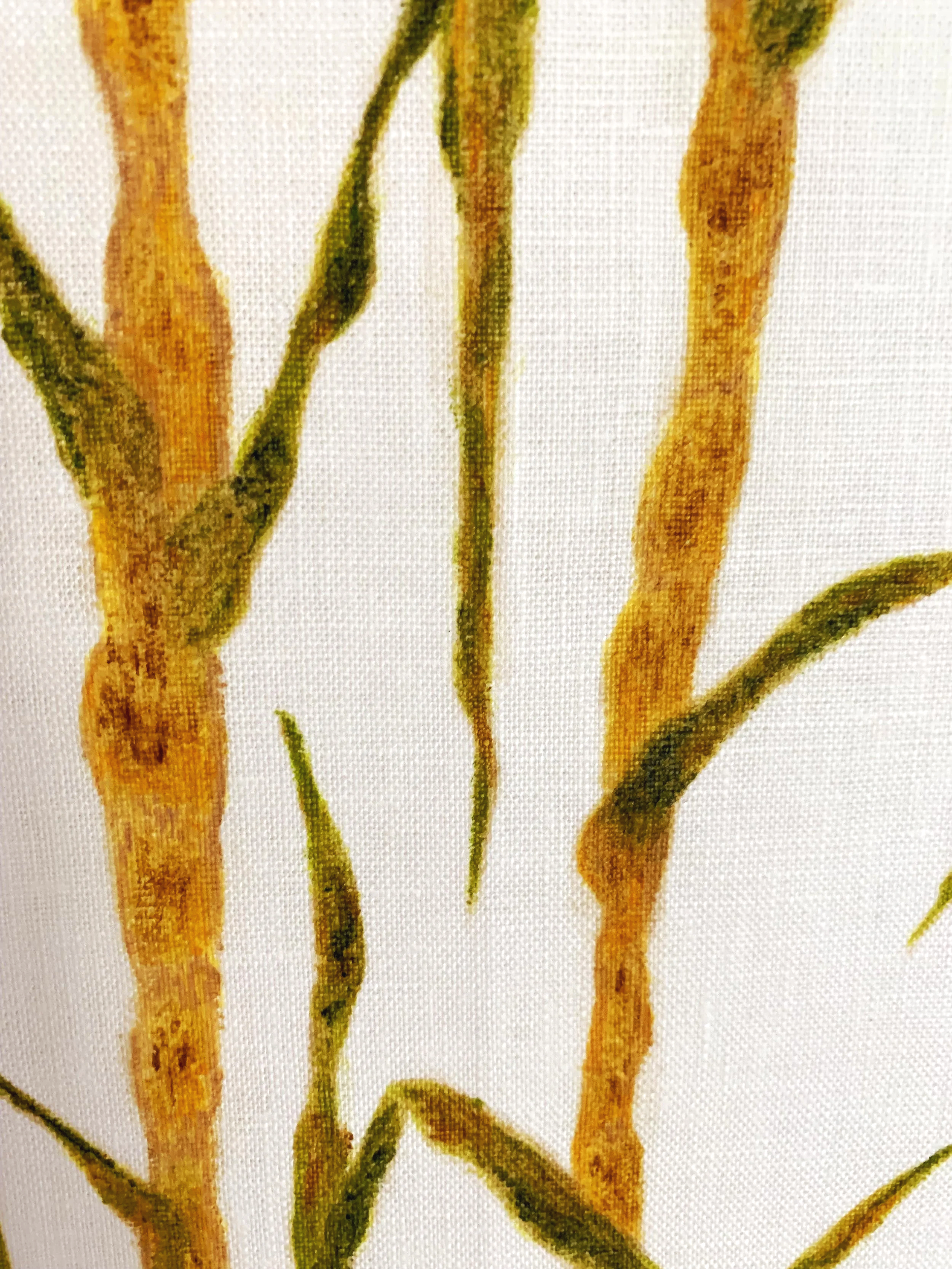
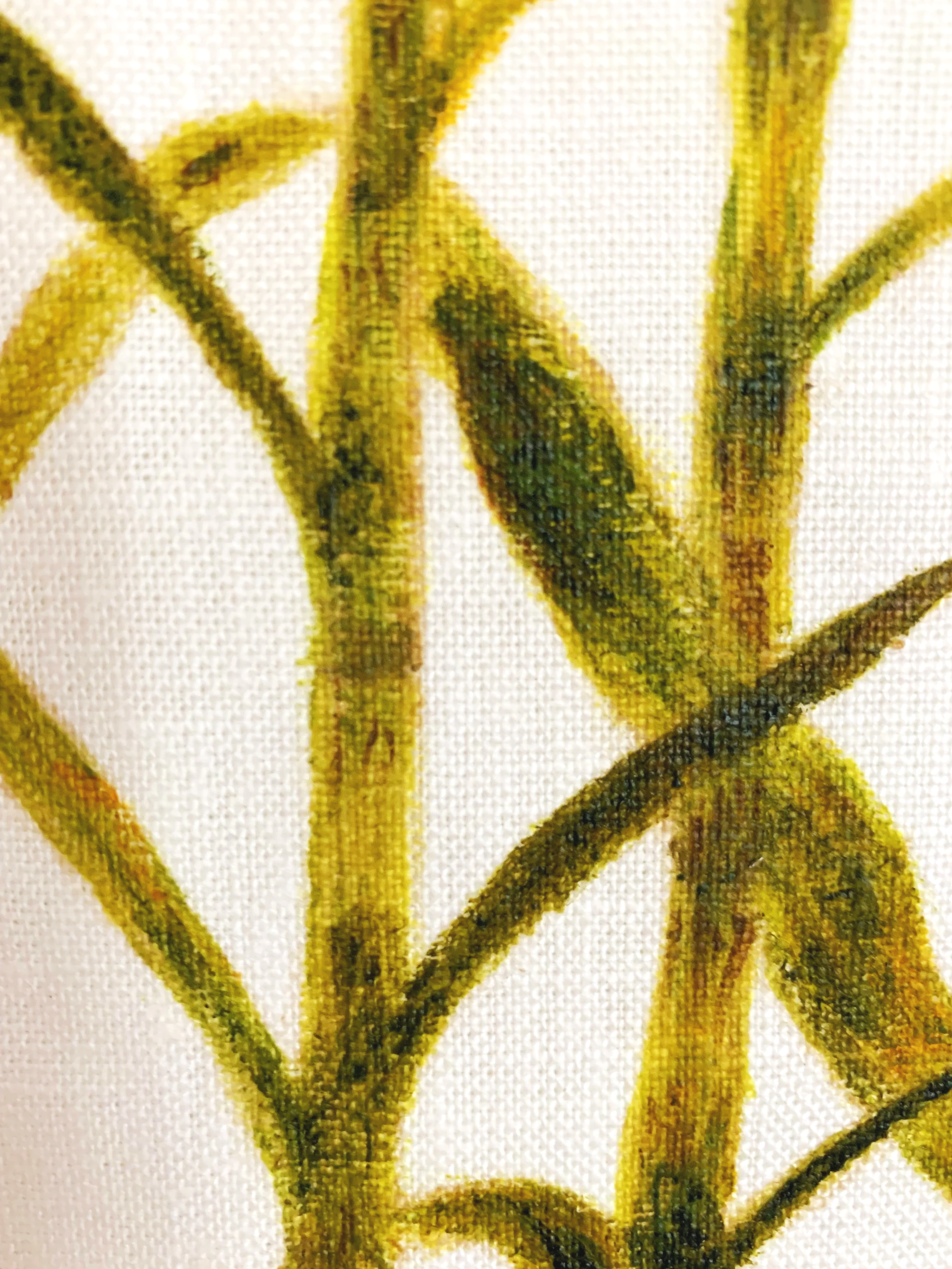
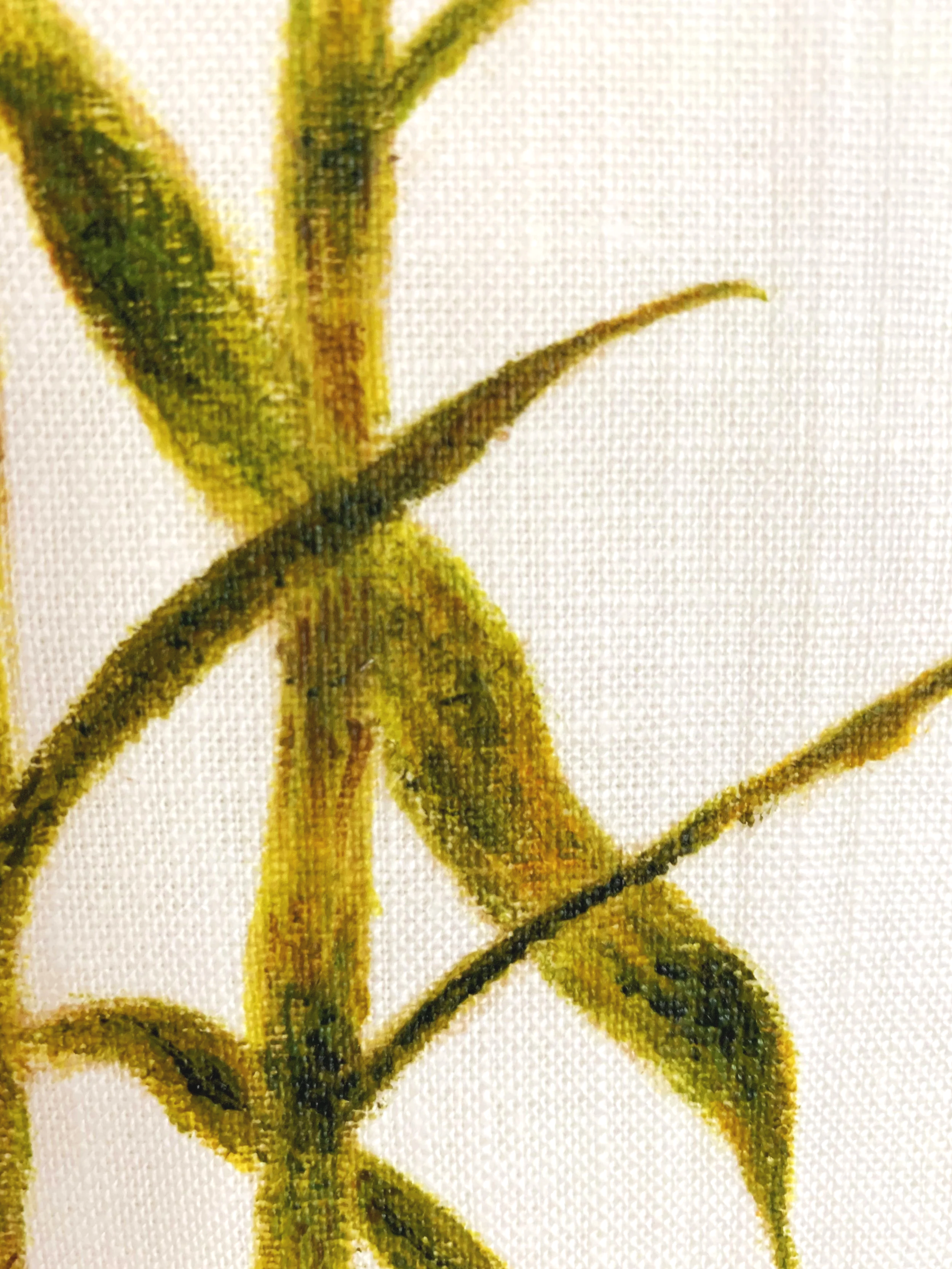
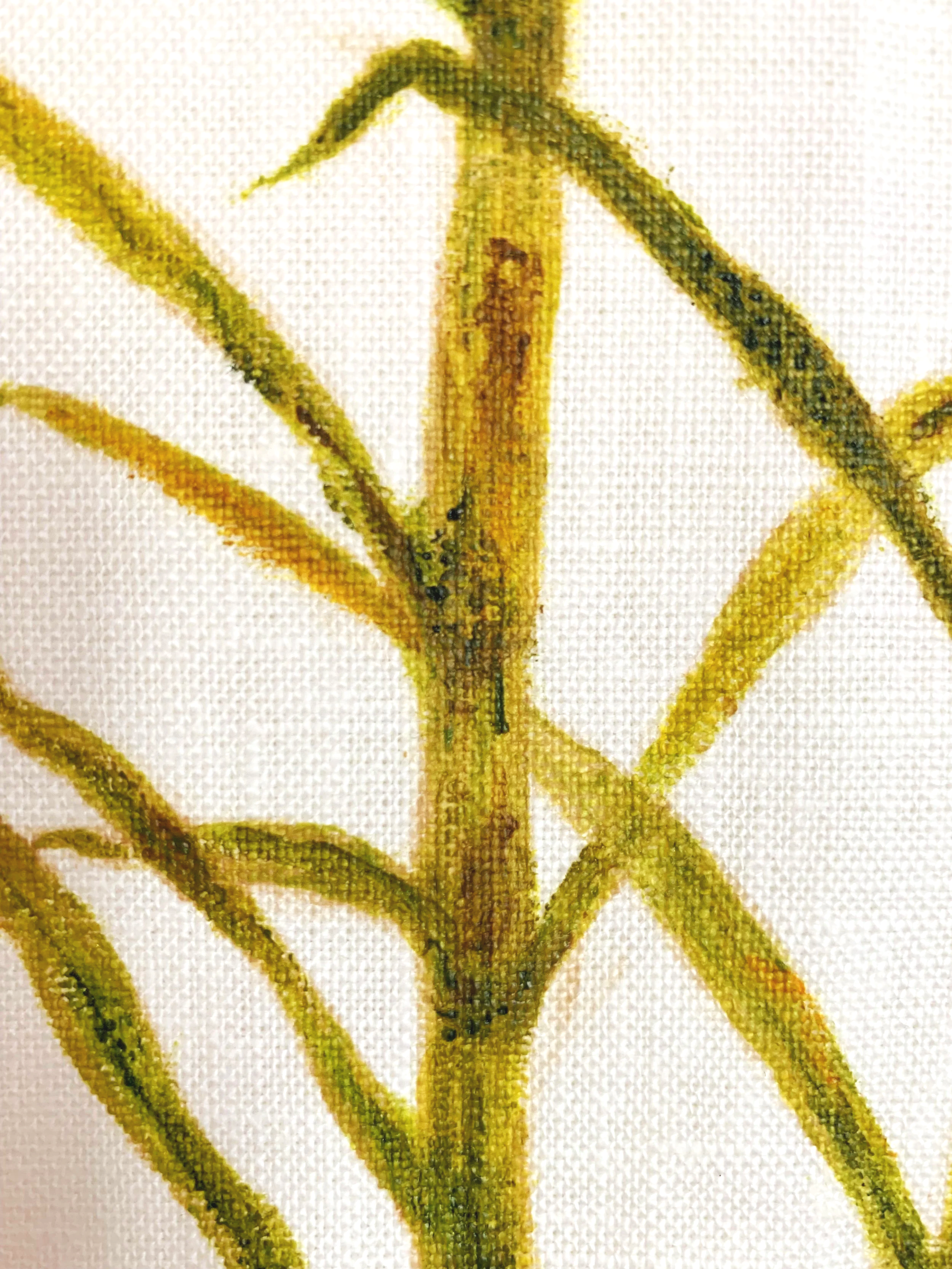
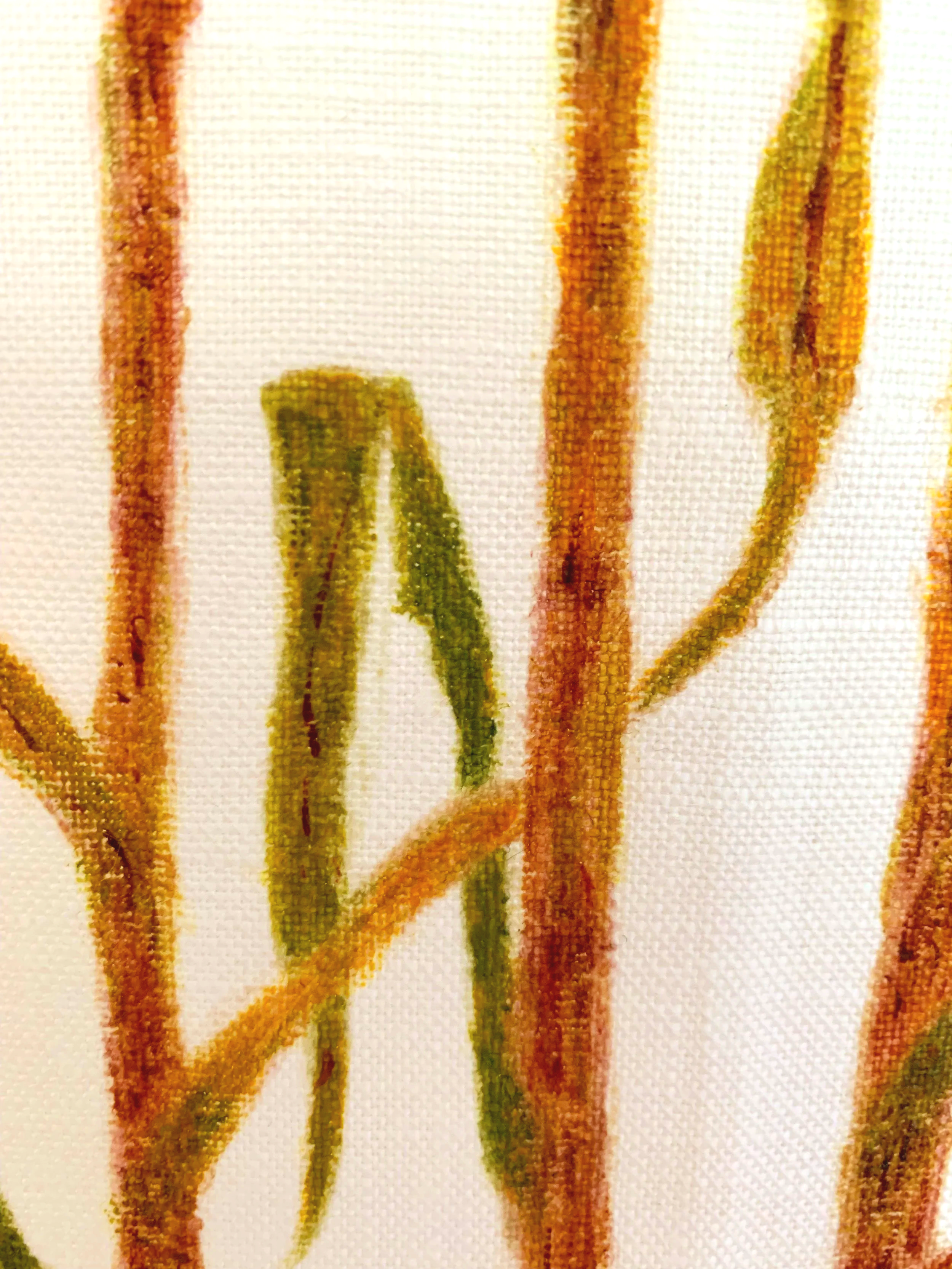
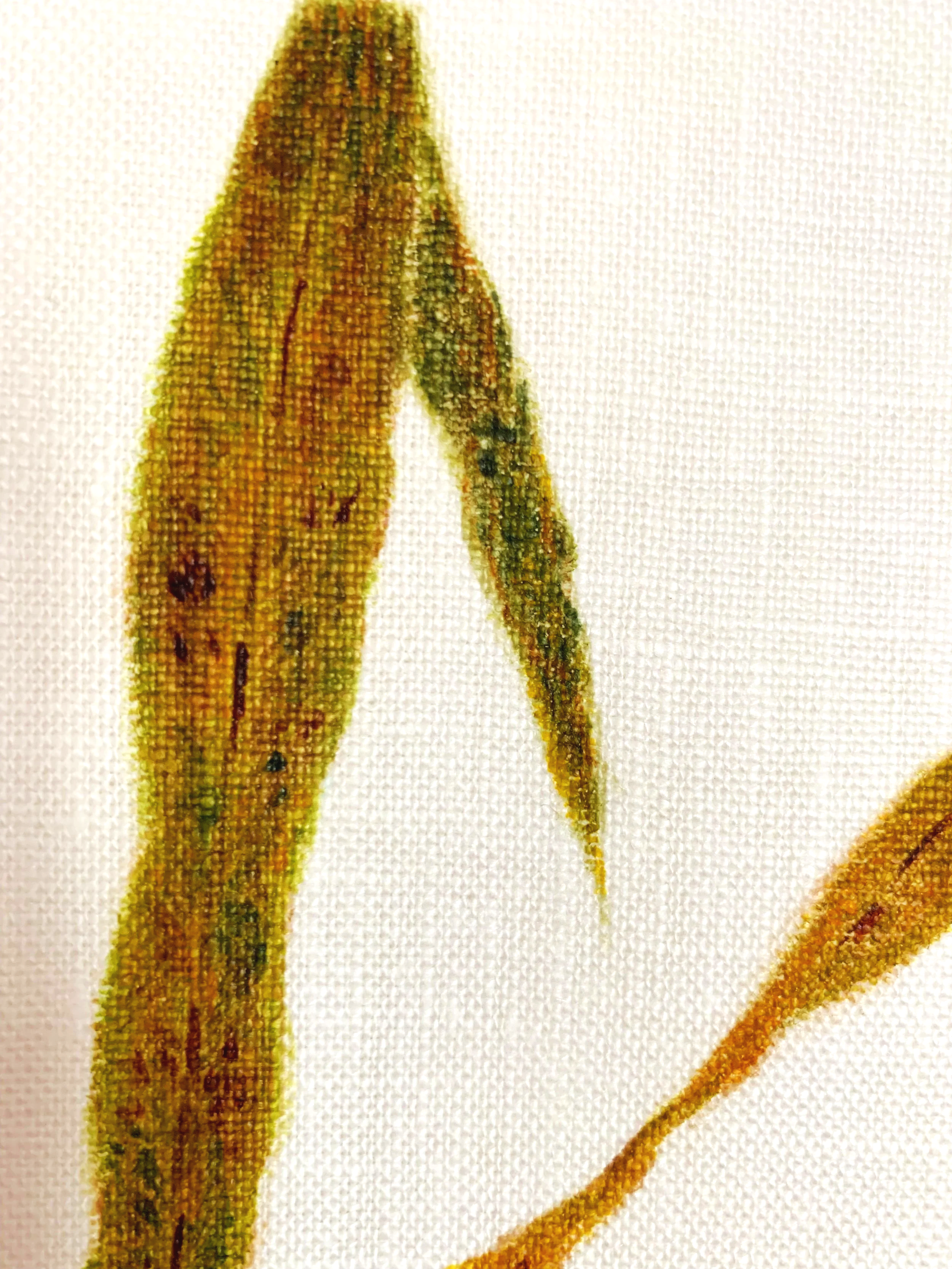
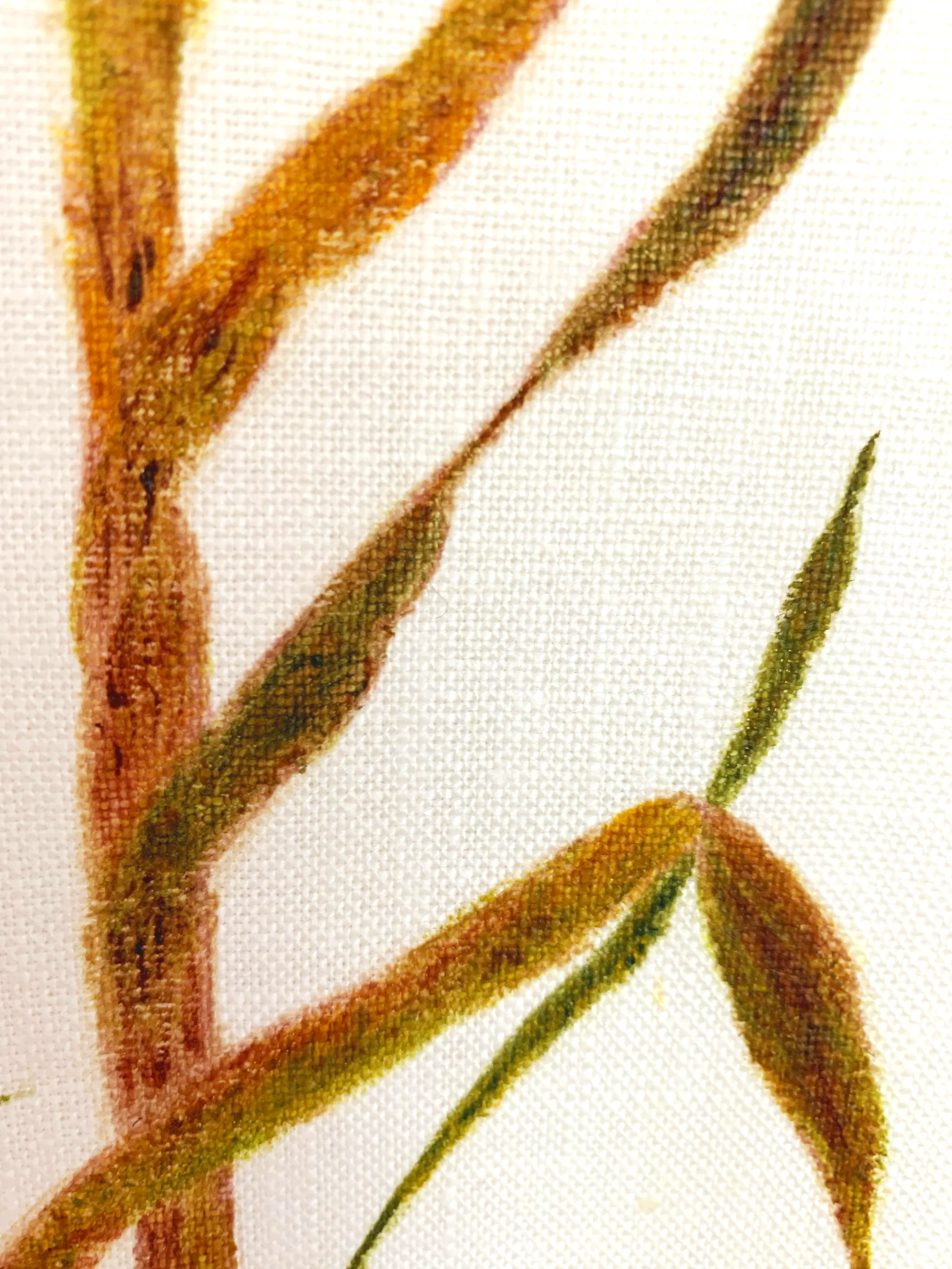
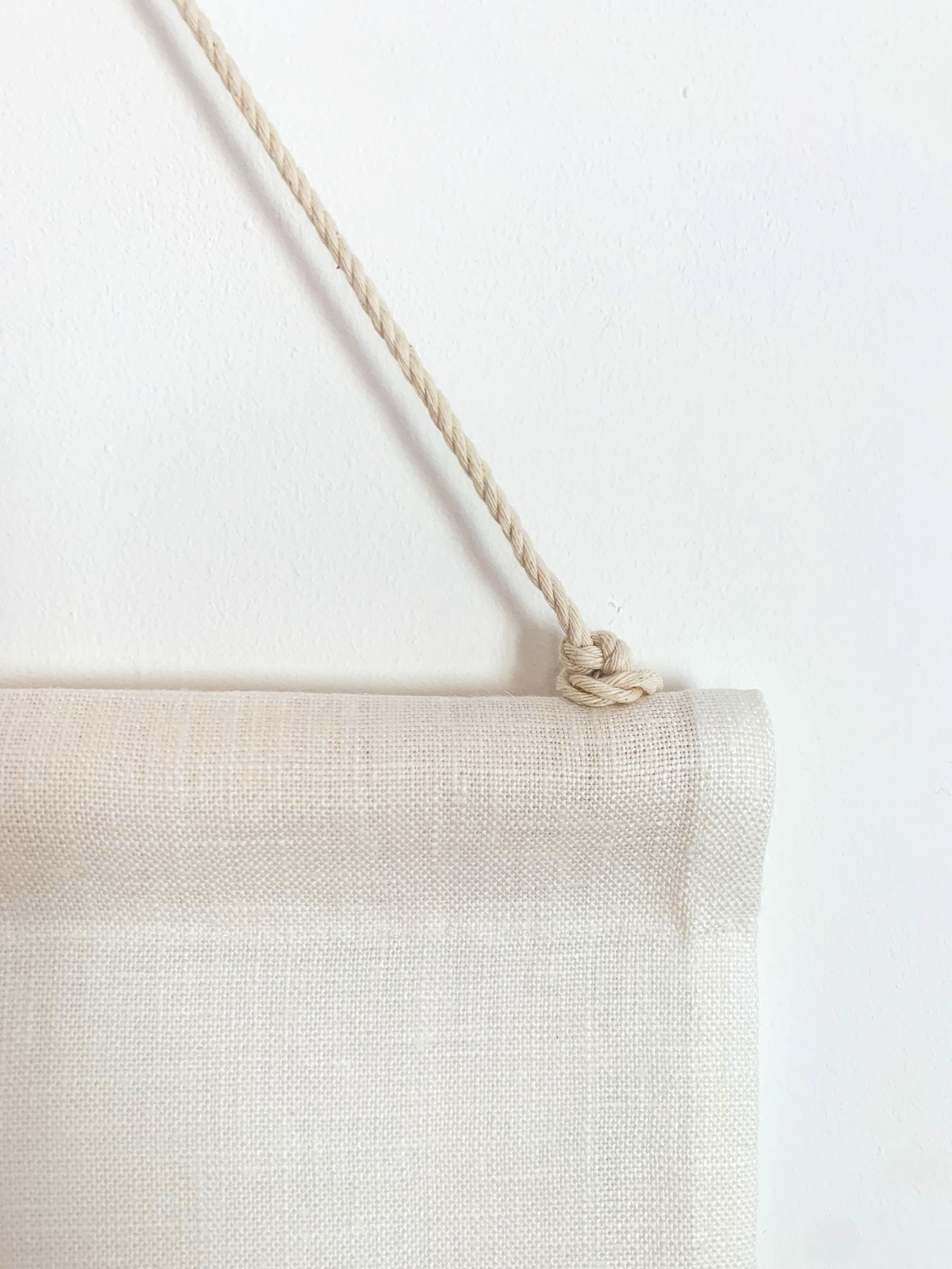
The paintings are made on suspended unprimed linen using successive translucent layers of pigment. The visible linen remains an active part of every work, allowing material and image to develop together through repeated acts of painting.
Many of these cultivated plants have travelled across continents over centuries, carrying histories of cultivation, labour and exchange. Those histories remain part of the conditions from which the work begins without determining the questions the paintings pursue.
Botanica Brasilis establishes the first field through which painting is organised by cultivation. Future series may begin from different cultivated plants, but this body of work remains the point at which the enquiry first takes form.